
.jpeg)
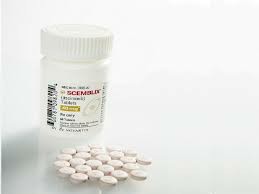
Detailed instructions and medication instructions for Asnib/Assiminib (Xinbeli)
Myristoyl pocket) achieves inhibitory effects and is used to treat chronic myelogenous leukemia (CML), especially patients who are resistant or intolerant to other tyrosine kinase inhibitors (TKI). As a precision targeted drug, asinib has shown good efficacy and controllable safety in clinical applications, making it an important treatment option for CML patients. The following content will provide a comprehensive analysis of this drug based on the instructions and clinical guidelines, including indications, usage and dosage, precautions, adverse reactions and patient management.
1. Indications and clinical applications
Asnib is mainly suitable for patients in the chronic phaseCML, especially those who are resistant or intolerant to first- or second-generation tyrosine kinase inhibitors such as imatinib, dasatinib, and nilotinib. Asnib also shows certain efficacy for patients carrying the T315I mutation, which is a type of highly resistant mutation that is difficult to cover with most other TKIs. Clinical studies have shown that asinib can significantly improve patients' hematological and cytogenetic response rates while improving the risk of disease progression.
In addition, the drug can be used for long-term maintenance treatment of patients with relapsed or refractory CML. Its precise targeting mechanism can ensure the efficacy while minimizing damage to normal cells. For elderly patients or patients with comorbidities, Asnib's controllable toxicity and advantages of oral administration make it a better-tolerated option.
2. Usage, dosage and medication guidance
Asnib is an oral preparation, and the recommended starting dose is usually 40 mg twice a dayor adjusted according to specific clinical conditions. For patients with the T315I mutation, the dose can be increased appropriately according to the doctor's advice, but it should not exceed the upper limit specified in the instructions. Tablets should be swallowed whole and not chewed, crushed or taken separately to ensure the stability and absorption rate of the drug.
In terms of taking time, it can be taken before or after meals, but in order to keep the blood concentration stable, it is recommended to take it at a fixed time every day. If you miss a dose, you can take it as soon as possible on the same day. However, if it is close to the next dose time, you should skip the missed dose and do not take a double dose at one time to avoid adverse reactions caused by drug overdose. Patients should undergo regular hematology, liver function and renal function tests, and dose adjustments should be made based on laboratory indicators if necessary.
3. Precautions and drug interactions
Drug interaction issues need to be paid attention to during the use of asinib. Because it is mainly metabolized by CYP3A4, combined use of potent CYP3A4 inhibitors (such as ketoconazole, clarithromycin) may lead to increased blood concentrations and increase the risk of toxicity; and CYP3A4 inducers (such as rifampicin, carbamazepine) may reduce drug efficacy and affect efficacy. Therefore, you should avoid using the above drugs at the same time or adjust the dosage under the guidance of a doctor while taking asinib.
In addition, pregnant and breastfeeding women should avoid the use of asinib because of the potential risk to the fetus or infant. Patients with hepatic and renal insufficiency should use it with caution and adjust the dosage under the guidance of a doctor. If severe fatigue, thrombocytopenia, anemia or liver function abnormalities occur during treatment, you should seek medical treatment in time and adjust the medication plan according to the doctor's advice.
4. Adverse reactions and management
Common adverse reactions include hematological toxicity (such as neutropenia, anemia, thrombocytopenia), gastrointestinal reactions (such as nausea, diarrhea, decreased appetite), musculoskeletal pain, and mild rash. Most adverse reactions can be controlled through supportive treatment or temporary dose reduction.
For patients with obvious hematological toxicity, blood routine should be closely monitored, and the drug should be discontinued or the dosage should be adjusted if necessary. Mild to moderate gastrointestinal reactions can be alleviated by adjusting diet, taking medication in divided doses, or applying antiemetics. When serious adverse reactions occur, you should seek medical treatment immediately, suspend treatment if necessary, and resume the dose under the guidance of a doctor after symptoms improve. Patients who take medication for a long time also need to have their cardiac function, liver and kidney function and blood pressure regularly reviewed to ensure the safety of their medication.
5. Patient management and long-term medication recommendations
Asnib is an oral targeted drug, and patient self-management and follow-up are very important. You should insist on taking medicines as directed by your doctor, have regular reviews, record adverse reactions and provide timely feedback to your doctor. For patients with a higher risk of drug resistance or relapse, doctors may combine gene mutation testing and efficacy evaluation to adjust the dose or combine it with other treatments to optimize the treatment effect.
In general, asinib provides a new treatment option for CML patients with its precise targeting effect, good efficacy and controllable safety. Rational drug use, scientific monitoring and standardized management are the keys to ensuring patient efficacy and safety. By following the instructions and doctor's guidance, patients can benefit to the greatest extent while minimizing the risk of adverse reactions.
Reference materials:https://www.drugs.com/
[ 免责声明 ] 本页面内容来自公开渠道(如FDA官网、Drugs官网、原研药厂官网等),仅供持有医疗专业资质的人员用于医学药学研究参考,不构成任何治疗建议或药品推荐。所涉药品可能未在中国大陆获批上市,不适用于中国境内销售和使用。如需治疗,请咨询正规医疗机构。本站不提供药品销售或代购服务。


