
.jpeg)
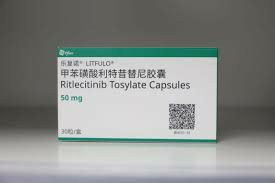
Analysis of the therapeutic effect of ritexitinib (Lefenox) on vitiligo and patient feedback
Ritlecitinib (Ritlecitinib), as a new oral JAK3 inhibitor, has shown good clinical prospects in the treatment of vitiligo (alopecia areata and related autoimmune depigmentation). By inhibiting the JAK-STAT signaling pathway, ritexitinib can reduce the attack of immune cells on melanocytes, thereby promoting the functional recovery of pigment cells and pigment regeneration. Multiple clinical studies have shown that the drug can improve the pigment recovery rate in patients with localized and extensive vitiligo, and is particularly effective in patients with early disease course and small and medium-sized vitiligo.
Patient feedback shows that after using ritixitinib for several weeks to several months, pigmentation begins to appear in some white spot areas, and the color of the lesions gradually approaches the surrounding normal skin. Patients generally report that the drug is convenient to take orally and that the treatment experience is more comfortable than traditional topical hormones or calcineurin inhibitors. Some patients with long-term disease have slower pigment recovery, but the efficacy is significantly enhanced after combined with phototherapy or local treatment. The overall patient satisfaction is high, but they still need to wait patiently for the complete completion of the treatment to evaluate the final effect.
In terms of safety, most patients have mild adverse reactions, including mild upper respiratory tract infection, headache and fatigue. There were fewer serious adverse events, suggesting that ritexitinib is better tolerated in clinical use. However, for patients with low immune function or combined with chronic diseases, blood routine and liver and kidney functions need to be monitored regularly during use to reduce potential risks. Doctors usually adjust the dosage according to the patient's condition and weight to ensure a balance between efficacy and safety.
Taken together, ritixitinib has significant potential in the treatment of vitiligo, especially for patients who have poor response to traditional topical drugs or whose disease progresses rapidly. Patients should use it under the guidance of a professional doctor and cooperate with regular review and auxiliary therapy to obtain the best effect. At the same time, long-term follow-up and patient treatment are the keys to achieving pigment recovery.
Reference materials:https://www.drugs.com/
[ 免责声明 ] 本页面内容来自公开渠道(如FDA官网、Drugs官网、原研药厂官网等),仅供持有医疗专业资质的人员用于医学药学研究参考,不构成任何治疗建议或药品推荐。所涉药品可能未在中国大陆获批上市,不适用于中国境内销售和使用。如需治疗,请咨询正规医疗机构。本站不提供药品销售或代购服务。


