
.jpeg)
Analysis of possible harms caused by Teritusumab/Telivac
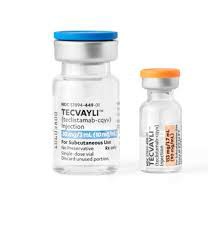
Teritusumab (Teclistamab-cqyv ) is a bispecific immunotherapy drug that triggers T cell-mediated tumor killing by simultaneously connectingT cells with myeloma cells. Although this mechanism brings significant anti-tumor activity, it may also cause a certain degree of side effects and immune-related risks in clinical applications. Its potential harm is mainly related to excessive activation of T cells, immune system response and hematological changes.
One of the most common adverse reactions is cytokine release syndrome (CRS). This reaction is caused by large-scale activation of T cells to release inflammatory mediators, and patients may experience symptoms such as fever, fatigue, hypotension, or shortness of breath. Most CRS is mild to moderate and can be controlled through symptomatic and supportive treatment or short-term application of corticosteroids. Clinicians usually adopt hospitalization observation and step-by-step dosing strategies during the first administration to reduce risks. Another relatively common adverse reaction is neurotoxicity, such as confusion, headache, or speech impairment. These reactions are usually reversible, but high-risk patients still need to be vigilant.
In addition, teritusumab can causeT-cell and B-cell functions to be temporarily suppressed, which may lead to decreased immunity. Some patients may experience an increased risk of infection during treatment, including upper respiratory tract infection, herpes zoster, or fungal infection, so doctors will use a combination of antiviral or antibacterial drugs for preventive treatment depending on the situation. Hematological abnormalities, such as leukopenia or neutropenia, anemia, and thrombocytopenia, are also among the potential hazards of this drug. Although most cases can be recovered by stopping the drug or adjusting the dose, regular monitoring of blood routine and liver and kidney function is required.
Mild adverse experiences such as fatigue, loss of appetite, rash, nausea, or injection site reactions may also occur with long-term medication. Since the drug is an immunomodulatory antibody, some patients may experience allergic reactions or infusion reactions, so the first dose must be completed under the supervision of a medical institution.
Reference materials:https://www.tecvayli.com/
[ 免责声明 ] 本页面内容来自公开渠道(如FDA官网、Drugs官网、原研药厂官网等),仅供持有医疗专业资质的人员用于医学药学研究参考,不构成任何治疗建议或药品推荐。所涉药品可能未在中国大陆获批上市,不适用于中国境内销售和使用。如需治疗,请咨询正规医疗机构。本站不提供药品销售或代购服务。


