
.jpeg)
The longest taking time and safety assessment of Lynparza
Olaparib is an oral PARP inhibitor, mainly used for BRCA mutation-positive ovarian cancer, breast cancer and some prostate cancer patients. It blocks the DNA damage repair pathway, causing cancer cells to undergo apoptosis in the context of gene defects. Because its mechanism of action is highly specific to tumor cells, olaparib can be used for long-term maintenance treatment, especially in maintenance treatment and chronic management. Clinically, patients often need to take it continuously for months to years to prolong progression-free survival (PFS).
Clinical trial data show that some patients can tolerate and maintain efficacy of olaparib after continuing to take olaparib for more than 3 years during maintenance treatment. For example, in the SOLO-1 and OlympiAD trials, some patients with ovarian cancer and breast cancer took the drugs for more than 36 months and still maintained disease control. This shows that without serious toxicity, olaparib can be used as a long-term maintenance treatment drug, but it needs to be flexibly adjusted based on patient tolerance and tumor progression.
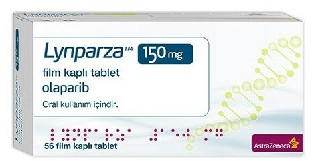
Adverse reactions of long-term use of olaparib mainly include anemia, thrombocytopenia, leukopenia, fatigue, nausea, vomiting and loss of appetite. Most side effects can be controlled through dose adjustment, short-term drug withdrawal, or symptomatic management. Rare but serious adverse events include myelosuppression, acute myeloid leukemia, or myelodysplastic syndrome (MDS/AML). Therefore, patients taking long-term medication need to regularly review blood routine, liver and kidney function, and bone marrow conditions to ensure the safety of medication.
During long-term use of olaparib, you should follow the doctor's prescription, take it orally in strict accordance with the dose and time, and conduct regular imaging and laboratory examinations to monitor efficacy and toxicity. If serious adverse reactions occur, the dose should be adjusted promptly or the drug should be temporarily discontinued. For patients who tolerate it well and have clear efficacy, long-term maintenance treatment can be continued under the guidance of a doctor. Overall, olaparib can be taken safely and long-term under individualized management and monitoring, providing lasting disease control effects for patients with BRCA-related tumors.
Reference materials:https://www.drugs.com/
[ 免责声明 ] 本页面内容来自公开渠道(如FDA官网、Drugs官网、原研药厂官网等),仅供持有医疗专业资质的人员用于医学药学研究参考,不构成任何治疗建议或药品推荐。所涉药品可能未在中国大陆获批上市,不适用于中国境内销售和使用。如需治疗,请咨询正规医疗机构。本站不提供药品销售或代购服务。


