
.jpeg)
Analysis of whether long-term persistence is required after taking ensifentrine-Ohtuvayre and the risk of discontinuation
Ensifentrine (Ensifentrine) is a new dual phosphodiesterase (PDE3/4) inhibitor, mainly used to treat chronic obstructive pulmonary disease (COPD) and related respiratory symptoms. It simultaneously inhibits PDE3 and PDE4 and increases cAMP levels in bronchial smooth muscle, thereby achieving bronchodilation, anti-inflammatory and improving lung function. Because its action targets the underlying pathology of the disease, continued medication is critical to maintaining lung function and symptom control.
In clinical practice, exefantine usually requires long-term continuous use. COPD and chronic respiratory diseases themselves are chronic and progressive diseases. If the drug is stopped, it may lead to increased bronchoconstriction, recurrence of inflammation and worsening of symptoms. Clinical studies have shown that continuous medication can significantly improve FEV1 (forced expiratory volume), reduce the frequency of acute exacerbations, and improve patients' quality of life. These effects may not be maintained with short-term or intermittent use.
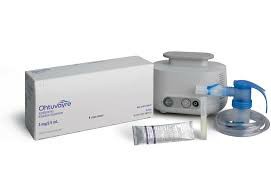
If the patient discontinues the drug on his own or discontinues use of exefantine for a long time, there may be risks such as decreased lung function, worsening of cough, dyspnea, and acute exacerbation. In addition, for patients with serious underlying diseases, discontinuation of medication may also induce respiratory complications. After discontinuation of medication, bronchial smooth muscle tone is restored and inflammation levels may rebound, leading to a rapid return of symptoms. Therefore, drug discontinuation should be conducted gradually under the guidance of a physician to assess risks and necessity.
While patients are taking exefantine, they should maintain regular medication and have regular follow-up visits to evaluate changes in lung function and symptoms. If it is necessary to discontinue medication, it should be done under the guidance of a doctor. If necessary, the impact of discontinuation can be buffered through gradual dose reduction or alternative therapy. At the same time, patients need to pay attention to daily life management, such as quitting smoking, avoiding contact with irritants, and exercising reasonably, to assist the medication in maintaining long-term efficacy. Standardized medication and monitoring are key to ensuring the safety and effectiveness of exefantine treatment.
Reference materials:https://www.drugs.com/
[ 免责声明 ] 本页面内容来自公开渠道(如FDA官网、Drugs官网、原研药厂官网等),仅供持有医疗专业资质的人员用于医学药学研究参考,不构成任何治疗建议或药品推荐。所涉药品可能未在中国大陆获批上市,不适用于中国境内销售和使用。如需治疗,请咨询正规医疗机构。本站不提供药品销售或代购服务。


