
.jpeg)
What are the common adverse reactions of Lorlatinib/Lorlatinib (Borina)?
Lorlatinib/Lorlatinib (Lorlatinib) is an oral third-generation ALK and ROS1 tyrosine kinase inhibitor. It is mainly used to treat patients with non-small cell lung cancer (NSCLC) who have previously received first- or second-generation ALK inhibitor treatment but still experience disease progression. As a highly selective targeted drug, lorlatinib has demonstrated significant clinical efficacy, but it is also accompanied by certain adverse reactions, which requires patients and clinicians to pay close attention.
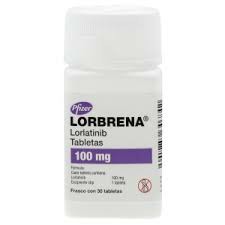
The most common adverse reactions of lorlatinib include central nervous system-related symptoms, such as cognitive decline, mood swings, difficulty concentrating, memory loss, and somnolence and drowsiness. These symptoms may appear early in treatment and improve over time or require dose adjustment. In addition, patients may also experience peripheral neuropathy, tremors, numbness or tingling in the hands and feet, which are closely related to the effects of the drug on the nervous system.
Dyslipidemia is another common side effect of lorlatinib, including increases in total cholesterol and triglycerides. Clinical guidelines recommend that patients regularly monitor blood lipid levels during treatment and, if necessary, intervene with lipid-lowering drugs to reduce cardiovascular risks. Other common adverse reactions include gastrointestinal symptoms, such as nausea, diarrhea, constipation, and loss of appetite; at the same time, some patients may experience edema, weight gain, or musculoskeletal pain.
Although most side effects can be alleviated by dose adjustment, temporary discontinuation, or symptomatic treatment, a small number of serious adverse reactions may still occur. For example, cardiac-related events, liver function abnormalities, and allergic reactions require special vigilance. In clinical practice, doctors usually recommend that patients undergo regular hematology, liver and kidney function, and electrocardiogram tests for early detection and management of potential risks.
In general, although lorlatinib has many adverse reactions, its survival benefits for patients withALK-positive NSCLC clearly outweigh the risks.
References:https://www.lorbrena.com/
[ 免责声明 ] 本页面内容来自公开渠道(如FDA官网、Drugs官网、原研药厂官网等),仅供持有医疗专业资质的人员用于医学药学研究参考,不构成任何治疗建议或药品推荐。所涉药品可能未在中国大陆获批上市,不适用于中国境内销售和使用。如需治疗,请咨询正规医疗机构。本站不提供药品销售或代购服务。


