
.jpeg)
Recommendations on the best medication time and dose adjustment for Platinib (Pujihua)
Pralsetinib is a highly selective RETkinase inhibitor, mainly used to treat patients with RET fusion-positive non-small cell lung cancer (NSCLC) and thyroid cancer. In order to give full play to its efficacy and reduce side effects, reasonable arrangement of medication time and dosage adjustment are very important. It is generally recommended that patients take medication at a fixed time every day to maintain stable drug concentration in the body. According to clinical studies and pharmacokinetic data, taking the drug on an empty stomach can help improve the bioavailability of platinib, so it is usually recommended to take it at least 1 hour before a meal or 2 hours after a meal. This can prevent food from interfering with drug absorption, thereby better exerting its role in targeting the RET pathway.
In terms of dosage, the standard recommended dose for adults is usually 400 mg taken orally once daily. For patients who are in good physical condition and have normal liver and kidney functions, taking it regularly according to the standard dose is the key to maintaining the efficacy of the drug. Long-term follow-up data show that this dose can maintain stable blood concentrations in most patients, thereby achieving ideal tumor control rates and objective response rates. It is worth noting that the treatment course of platinib is usually long, and patients need to continue to take the medication regularly. They cannot stop the medication at will or reduce the dosage on their own just because the symptoms are relieved, otherwise it may lead to a decrease in efficacy or even the risk of drug resistance.
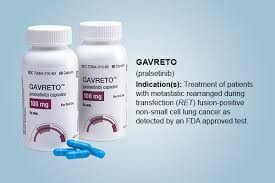
For patients who experience adverse reactions or have underlying diseases, dose adjustment strategies are very important. Common side effects include hypertension, abnormal liver function, neutropenia, and gastrointestinal discomfort. If a patient experiences adverse reactions of grade 3 or above, doctors usually recommend suspending the medication and restarting treatment at a reduced dose after the symptoms are relieved. For example, you can adjust from 400mg/day to 300mg /days, further adjusted to 200mg/days if necessary. Dosage adjustments must be made under the guidance of a professional doctor. Do not increase or decrease the dosage without authorization to avoid affecting the efficacy or increasing the risk of side effects.
In addition, fixed medication time and daily monitoring can also help maintain the efficacy. During long-term use of platinib, patients should regularly undergo blood pressure monitoring, liver and kidney function tests, and routine blood tests to detect potential adverse reactions and intervene in a timely manner. At the same time, simultaneous use with drugs such as strong CYP3A inhibitors or inducers should be avoided to avoid affecting the metabolism and plasma concentration of platinib. In short, choosing the appropriate medication time, adhering to regular medication, and rationally adjusting the dosage according to individual conditions are the keys to ensuring that Platinib exerts its best efficacy and prolongs disease control time.
Reference materials:https://www.drugs.com/
[ 免责声明 ] 本页面内容来自公开渠道(如FDA官网、Drugs官网、原研药厂官网等),仅供持有医疗专业资质的人员用于医学药学研究参考,不构成任何治疗建议或药品推荐。所涉药品可能未在中国大陆获批上市,不适用于中国境内销售和使用。如需治疗,请咨询正规医疗机构。本站不提供药品销售或代购服务。


