
.jpeg)
Things to note and safety guidelines when taking estramustine (Adelox)
Estramustine (Estramustine) is a drug that combines estrogen and nitrogen mustard chemotherapy drugs. It is mainly used to treat prostate cancer, breast cancer and certain types of malignant tumors. It works in treatment by inhibiting the growth and spread of tumor cells. Although estramustine has certain efficacy in clinical applications, due to the particularity of its chemical composition, special attention needs to be paid to a series of safety precautions when using it to ensure that patients can benefit to the maximum extent while reducing the occurrence of adverse reactions. This article will elaborate on the pharmacological effects of estramustine, common adverse reactions, precautions when using it, and medication guidance for special groups.
1. Pharmacological effects
Estramustine is a drug that combines nitrogen mustard (chemotherapy drug) and estrogen (hormone drug). Nitrogen mustard drugs can reduce the division and proliferation of tumor cells by inhibiting the synthesis of DNA in tumor cells; while the estrogen component helps enhance the efficacy of the drug by acting on hormone receptors. Estramustine is mainly used to treat prostate cancer, especially those with hormone-dependent cancers, where it can effectively alleviate symptoms and prolong patient survival.
2. Common adverse reactions
Although estramustine has certain efficacy in the treatment of tumors, it may also cause some adverse reactions, and patients need to pay close attention during the medication. Common adverse reactions include:
1.Gastrointestinal reactions: including nausea, vomiting, loss of appetite, diarrhea or constipation. These symptoms are usually more obvious in the early stages of medication, and patients can take symptomatic treatment according to the situation.
2.Myelosuppression: Estramustine may inhibit the function of the bone marrow, resulting in a decrease in the number of white blood cells, red blood cells or platelets, thereby causing anemia, leukopenia or thrombocytopenia. Regular monitoring of blood routine, especially white blood cell count, is an aspect that must be paid attention to during treatment.
3. Sex hormone-related side effects: Because estramustine contains estrogen, male patients may suffer from breast hyperplasia, loss of sexual desire, sexual dysfunction and other problems. In addition, female patients may experience symptoms such as irregular menstruation and nausea.
4. Liver damage: Long-term use of estramustine may cause damage to liver function, manifested as jaundice, elevated liver enzymes, etc. Therefore, regular testing of liver function is crucial.
5.Cardiovascular adverse reactions: Estramustine may cause the risk of thrombosis, especially in patients with pre-existing cardiovascular disease or other risk factors. Patients should be alert to the presence of any cardiovascular symptoms, such as chest pain, shortness of breath, or swelling of the lower extremities.
6.Skin reactions: Some patients may experience rash, hair loss and other adverse skin reactions, which are usually related to the nature of the drug itself.
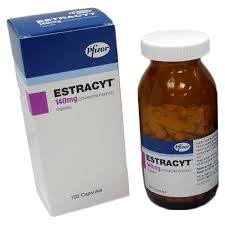
3. Precautions when using estramustine
1.Dosage and usage: The dosage of estramustine should be adjusted by the doctor according to the patient's specific condition. Under normal circumstances, the recommended starting dose for adult patients is 1 to 2 mg once a day, and gradually adjusted to the appropriate therapeutic dose. Patients should not adjust the dosage on their own to avoid overdose or insufficient efficacy.
2.Interactions with other drugs: Estramustine may interact with other drugs, affecting efficacy or exacerbating side effects. For example, when used in combination with anticoagulant drugs (such as warfarin), it may increase the risk of bleeding; when used at the same time as antibiotics or antifungal drugs, it may affect drug metabolism, causing drug concentrations to be too high or too low. Therefore, before starting treatment with estramustine, patients should inform their physician of any other medications they are taking.
3. Contraindicated for pregnant and lactating women: Because estramustine contains estrogen, it is contraindicated for pregnant and lactating women. The estrogen component may have adverse effects on the fetus or infant, and pregnant or breastfeeding women may need to suspend breastfeeding or take other alternative treatment options while using this medicine.
4. Patients with hepatic or renal impairment: For patients with impaired liver or renal function, estramustine should be used with caution and dose adjustment or more frequent monitoring may be required. The metabolic function of such patients may be limited, and the clearance of the drug from the body may be slowed down, increasing the risk of adverse reactions.
5. Medication for the elderly: Due to the decline of physiological functions, elderly patients may be more sensitive to the effects of estramustine. When using it, special attention needs to be paid to the side effects of the drug, especially cardiovascular and liver reactions. The elderly should use medications under the guidance of a doctor and undergo regular health examinations.
4. Medication guidance for special groups of people
1.Children and Adolescents: Estramustine is generally not recommended for use in children and adolescents unless there are specific medical indications. Due to its hormonal components, it may have adverse effects on the growth and development of adolescents.
2. Pregnant and lactating women: As mentioned above, estramustine contains estrogen components. If used during pregnancy, it may have teratogenic effects on the fetus. If used during lactation, it may affect the baby through milk. Therefore, pregnant and breastfeeding women should avoid using this drug.
3.Patients with a history of thrombosis: Estramustine may increase the risk of thrombosis, especially in patients with a history of thrombosis or who are currently taking anticoagulant drugs. Such patients need to be closely monitored during use to avoid serious thrombotic complications.
Estramustine has significant clinical effects in the treatment of prostate cancer and other cancers, but the doctor's instructions must be strictly followed during use and the dose must be adjusted according to personal health conditions. Patients should receive regular blood tests, liver and kidney function monitoring, and be aware of any abnormal symptoms. Understanding its common adverse reactions and safety risks can help improve treatment effects and reduce the occurrence of drug side effects. In short, the use of estramustine needs to be carried out under the guidance of a professional doctor, and patients should maintain close communication with their doctors to jointly ensure the safety and effectiveness of treatment.
Reference materials:https://www.drugs.com/
[ 免责声明 ] 本页面内容来自公开渠道(如FDA官网、Drugs官网、原研药厂官网等),仅供持有医疗专业资质的人员用于医学药学研究参考,不构成任何治疗建议或药品推荐。所涉药品可能未在中国大陆获批上市,不适用于中国境内销售和使用。如需治疗,请咨询正规医疗机构。本站不提供药品销售或代购服务。


