
.jpeg)
Whether drug resistance will occur after taking seripalase (BRINEURA) and strategies to deal with drug resistance
Seripase (Brineura, common name: cerliponase alfa) is a recombinant human tripeptidyl peptidase1
First of all, from the perspective of pharmacological mechanism, seripase is an exogenous enzyme supplement therapy that does not directly act on receptors or signaling pathways, so it will not produce drug resistance caused by classic target mutations like some small molecule targeted drugs. However, during continued treatment, the immune system of some patients may produce antibodies to exogenous proteins, especially neutralizing antibodies, which in turn affects the distribution and activity of the drug in the cerebrospinal fluid. This "immune resistance" is one of the current focuses of clinical attention. Studies have shown that some patients may develop positive anti-drug antibodies in the early stages of treatment, but most will not lead to a significant decrease in efficacy.
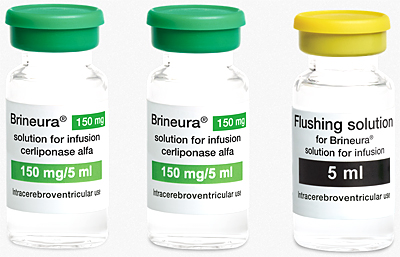
Secondly, in response to the weakening of immune-related efficacy, regular antibody monitoring is usually carried out clinically, and comprehensive judgments are made based on the patient's neurological function score, MRI assessment and other indicators. If neutralizing antibodies are detected to persist and are accompanied by accelerated disease progression, the dosing strategy can be adjusted under the guidance of a specialist, such as extending or shortening the dosing interval, combining short-term immunosuppressive treatment, or individualized dose optimization. At the same time, maintaining stable and regular intrathecal infusion to avoid drug leakage and administration delays is also very important to reduce immune response fluctuations.
Finally, from the perspective of long-term management, the phenomenon of drug resistance is more reflected in the dynamic process of disease progression and drug efficacy balance, rather than simply drug failure. Regular neurodevelopmental assessment, imaging monitoring and multidisciplinary team (neurology, immunology, rehabilitation) cooperation are important strategies to delay the disease and optimize the efficacy. Families need to work closely with the medical team, provide timely feedback on changes in efficacy, and adjust the treatment plan when necessary. Overall, the risk of resistance to seripatin is low, but immune-related issues need to be paid attention to and active countermeasures taken to maintain long-term efficacy.
Reference materials:https://www.drugs.com/
[ 免责声明 ] 本页面内容来自公开渠道(如FDA官网、Drugs官网、原研药厂官网等),仅供持有医疗专业资质的人员用于医学药学研究参考,不构成任何治疗建议或药品推荐。所涉药品可能未在中国大陆获批上市,不适用于中国境内销售和使用。如需治疗,请咨询正规医疗机构。本站不提供药品销售或代购服务。


