
.jpeg)
Analysis of the effects of long-term use of Roaccutane (isotretinoin) on the liver and precautions
Isotretinoin (Isotretinoin) is an oral retinoic acid drug used for moderate to severe acne. It is widely used because of its significant effects on sebaceous gland suppression and improvement of abnormal keratinization. However, isotretinoin Aacid is a systemic drug, and long-term use may have certain effects on the liver. Therefore, special attention needs to be paid to liver function monitoring and risk management during clinical use.
Long-term use of isotretinoinAacid may lead to an increase in liver enzymes, mainly manifested as mild to moderate increases in serum alanine aminotransferase (ALT) and aspartate aminotransferase (AST). This liver function abnormality is usually dose-related and is more likely to occur in patients treated with high doses or long-term maintenance therapy. In most cases, elevated liver enzymes resolve after discontinuation or dose reduction, but a rare minority of patients may develop significant liver damage or cholestatic hepatitis.
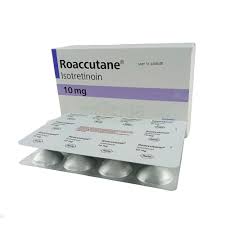
To reduce liver risk, you should Regularly monitor liver function. It is generally recommended to conduct basic liver function tests before treatment, and then recheck every 1–2 months in the early stage of treatment. The maintenance period can be extended to every 3 months. If ALT or AST is found to be significantly elevated (exceeding the upper limit of normal 2–3 times), the dose needs to be adjusted in time or the medication should be suspended, and other causes of liver damage, such as viral hepatitis, drug combination, etc., need to be investigated.
In addition, long-term use of isotretinoinAacid may also affect blood lipid metabolism and indirectly increase the burden on the liver. Therefore, serum triglyceride and cholesterol levels need to be monitored during medication. Patients should avoid alcohol consumption and the combined use of other hepatotoxic drugs, and maintain a healthy diet and lifestyle to reduce the risk of liver damage. Generally speaking, the impact of isotretinoin Aacid on the liver is controllable, but it is necessary to strictly follow medical instructions, regularly review liver function, and reasonably control the dosage and course of treatment to ensure safe and effective improvement of acne conditions.
Reference materials:https://www.drugs.com/[ 免责声明 ] 本页面内容来自公开渠道(如FDA官网、Drugs官网、原研药厂官网等),仅供持有医疗专业资质的人员用于医学药学研究参考,不构成任何治疗建议或药品推荐。所涉药品可能未在中国大陆获批上市,不适用于中国境内销售和使用。如需治疗,请咨询正规医疗机构。本站不提供药品销售或代购服务。


