
.jpeg)
What are the main indications for Doxorubicin? Applicable tumor types and medication guidelines
1. Overview of Drugs
Doxorubicin (Doxorubicin) is a broad-spectrum anthracycline anti-tumor drug. By binding to DNA bases, inhibiting topoisomerase II activity and generating free radicals, it interferes with cancer cell DNA synthesis and repair, thereby leading to tumor cell apoptosis. As a classic chemotherapy drug, doxorubicin is used in a variety of solid tumors and hematological malignancies and is a core component of many standard chemotherapy regimens.
2. Main indications
According to official instructions and clinical guidelines, doxorubicin is suitable for the treatment of a variety of solid tumors and hematological tumors. Its core indications include:
1. Breast cancer: used for adjuvant chemotherapy for metastatic breast cancer and early breast cancer, often used in combination with cyclophosphamide, paclitaxel and other drugs.
2.Ovarian cancer and endometrial cancer: Doxorubicin can be used as first-line or second-line chemotherapy for advanced ovarian cancer, especially for patients who are sensitive to platinum drugs or who have relapsed.
3. Small cell lung cancer and non-small cell lung cancer: In the treatment of lung cancer, doxorubicin is usually used in combination with cisplatin, etoposide, etc. as a first-line or recurrent regimen.
4.Soft tissue sarcoma and osteosarcoma: Systemic chemotherapy for locally advanced or metastatic soft tissue sarcoma and osteosarcoma.
5.Lymphoma: including Hodgkin lymphoma and non-Hodgkin lymphoma, especially in ABVD (doxorubicin-bleomycin-vincristine-dacarbazine) protocol as the key drug.
6.Acute leukemia: In adult acute myeloid leukemia (AML) and some acute lymphoblastic leukemia (ALL) regimens, it is often used in combination with cytarabine to induce remission.
7.Others: such as multiple myeloma, liver cancer and gastric cancer, etc., can be used for combination or monotherapy in specific patients.
3. Medication dosage and administration method
Doxorubicin is commonly used Intravenous injection (IV) or intravenous drip (IV infusion). Oral preparations are not widely used yet. The dosage and frequency of administration need to be adjusted according to the patient's body surface area (BSA), liver function, renal function and previous chemotherapy.
1.Usual dosage for adults
Single drug: The common dosage is 60–75 mg/m², once every 3 weeks.
Combined chemotherapy: The dose can be appropriately reduced. For example, in the AC regimen (doxorubicin + cyclophosphamide), doxorubicin is commonly used 60 mg/m², once every 21 days.
Pay attention to the cumulative dose for maintenance and repeated use. It is recommended that the total dose does not exceed 450–550 mg/m² to reduce the risk of cardiotoxicity.
2.Children and elderly patients
Pediatric dosage needs to be adjusted based on body surface area and weight, while paying attention to the risk of cardiac and myelosuppression.
Elderly patients are often accompanied by decreased heart or liver and kidney functions. It is recommended to reduce the dose and extend the interval, while closely monitoring adverse reactions.
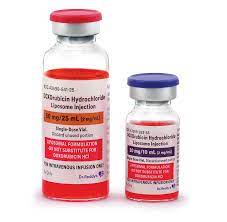
3.Precautions for administration
It is recommended to use central vein or large peripheral vein infusion to reduce the risk of phlebitis and tissue necrosis.
The infusion time is usually 10–30 minutes, and some protocols can be extended to 1 hour to reduce toxicity.
Extravasation of the medicinal solution should be avoided during medication. If extravasation occurs, local cold compress and treatment measures should be taken immediately.
4. Main adverse reactions and monitoring
Doxorubicin has multiple side effects such as bone marrow suppression, cardiotoxicity, gastrointestinal reactions, and hair loss.
1.Myelosuppression: the most common, manifested by neutropenia, thrombocytopenia, and anemia. Blood routines need to be monitored before and after each chemotherapy session, and the dose should be adjusted or treatment delayed based on blood cell counts.
2.Cardiotoxicity: Cumulative dose-related, can lead to cardiomyopathy and even heart failure. It is recommended to conduct electrocardiogram and cardiac ultrasound evaluation before treatment, and to monitor cardiac function regularly during treatment.
3.Gastrointestinal reactions: including nausea, vomiting, stomatitis and loss of appetite, which can be relieved by anti-vomiting drugs and supportive treatment.
4.Hair loss and skin reactions: usually heal on their own, so patients should be mentally prepared.
5. Effects on liver function: Serum transaminase may increase, and liver function indicators need to be monitored regularly.
5. Guidelines for combined medication
Doxorubicin is mostly used in combination with chemotherapy in clinical practice, which can enhance the efficacy, but attention should be paid to the additive toxicity of combined drugs. For example:
1.ACRegimen: Adriamycin + Cyclophosphamide, commonly used in adjuvant treatment of breast cancer.
2.CHOPRegimen: Cyclophosphamide + Doxorubicin + Vincristine + Prednisone, for non-Hodgkin lymphoma.
3.ABVDRegimen: Adriamycin + Bleomycin + Vincristine + Dacarbazine, for Hodgkin lymphoma.
Combination chemotherapy must be performed in strict accordance with the dosage and interval, and blood routine, liver, kidney and heart functions must be closely monitored to ensure efficacy while reducing risks.
6. Special precautions
1.Pregnancy and lactation: Doxorubicin is a pregnancy D drug and is contraindicated during pregnancy; its use is not recommended during lactation.
2. Hepatic insufficiency: When liver enzymes are significantly elevated or cholestasis exists, the dose needs to be reduced or administration delayed.
3.Cumulative dose limit: The total dose exceeds 450–550 mg/m². The risk increases and should be strictly controlled according to the individual patient's condition.
4.Drug interactions: Caution is required when used in combination with other cardiotoxic drugs (such as trastuzumab) to avoid accumulation of cardiotoxicity.
Doxorubicin is a classic anthracycline anti-tumor drug with a wide range of indications, including breast cancer, ovarian cancer, lung cancer, soft tissue sarcoma, leukemia and lymphoma. Clinical use requires individualized dose adjustment based on body surface area, liver and kidney function, and previous treatment, and close monitoring of bone marrow suppression, cardiotoxicity, and liver function. Combination chemotherapy can improve the efficacy, but attention should be paid to the additive toxicity. Proper and standardized use of doxorubicin can play a significant role in the treatment of various tumors and is one of the core drugs in modern chemotherapy regimens.
Reference materials:https://www.drugs.com/
[ 免责声明 ] 本页面内容来自公开渠道(如FDA官网、Drugs官网、原研药厂官网等),仅供持有医疗专业资质的人员用于医学药学研究参考,不构成任何治疗建议或药品推荐。所涉药品可能未在中国大陆获批上市,不适用于中国境内销售和使用。如需治疗,请咨询正规医疗机构。本站不提供药品销售或代购服务。


