
.jpeg)
Evaluating the discontinuation safety of elotuzumab
Elotuzumab(Elotuzumab) is a targeted immunostimulatory monoclonal antibody that mainly enhances the anti-tumor activity of natural killer (NK) cells by acting on SLAMF7 (signaling lymphocyte activation molecule family member 7) and is used to treat relapsed or refractory multiple myeloma. With the widespread clinical application of this drug, the safety of drug withdrawal has become a focus of concern for both patients and doctors. Judging from the latest international research and overseas clinical practice, discontinuation of evolizumab will generally not lead to severe immune rebound reactions, but disease control and immune balance still need to be carefully evaluated.
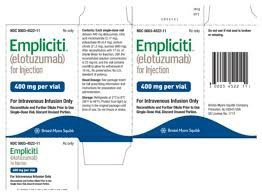
From an immunological perspective, evolizumab does not directly suppress the immune system, but enhances the immune attack on myeloma cells by activatingNK cells, so there will be no immune overreaction similar to immune checkpoint inhibitors after drug withdrawal. However, long-term use of evolizumab continues to maintain the activation state of the SLAMF7 pathway. Once the drug is discontinued, the patient's immune effect will gradually return to baseline levels within weeks to months, which may lead to an increased risk of disease progression. Therefore, for patients with stable therapeutic effects, drug discontinuation should be strictly monitored by doctors, and the dynamic changes in imaging and serum M protein levels should be combined to determine whether treatment needs to be resumed.
From a safety perspective, no significant delayed adverse reactions were found after discontinuation of evolizumab. International follow-up of patients who have used evolizumab for more than three years shows that the most common symptoms after stopping the drug are mild fatigue or mild bone pain, but these are mostly disease-related manifestations rather than drug reactions. In addition, some patients may experience a slight increase in the risk of infection in the short term after stopping the drug, especially those who have been combined with immunomodulators (such as lenalidomide or pomalidomide). Therefore, blood routine and immune globulin levels need to be continued to be monitored after the drug is stopped, and supportive anti-infective treatment can be performed if necessary.
Reference materials:https://www.empliciti.com/
[ 免责声明 ] 本页面内容来自公开渠道(如FDA官网、Drugs官网、原研药厂官网等),仅供持有医疗专业资质的人员用于医学药学研究参考,不构成任何治疗建议或药品推荐。所涉药品可能未在中国大陆获批上市,不适用于中国境内销售和使用。如需治疗,请咨询正规医疗机构。本站不提供药品销售或代购服务。


