
.jpeg)
Which one is better, Trelagliptin or Ologliptin?
Trelagliptin and Omarigliptin belong to the dipeptidyl peptidase-4 (DPP-4) inhibitor family. They are both long-acting hypoglycemic drugs used for blood sugar control in type 2 diabetes. Both drugs are innovative DPP-4 inhibitors developed by Japanese pharmaceutical companies and are known for their "low-frequency administration and high compliance." By inhibiting DPP-4 enzyme activity, they prolong the effects of glucagon-like peptide-1 (GLP-1) and glucose-dependent insulinotropic polypeptide (GIP) in the body, thereby promoting insulin secretion and inhibiting glucagon release, so as to maintain stable blood sugar after meals and fasting. The main difference between the two lies in the administration period, pharmacokinetic characteristics and metabolism. These factors determine their applicability and efficacy in different patients.
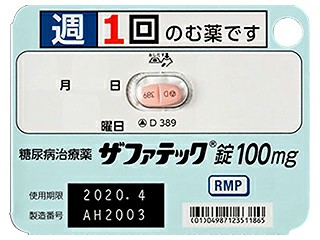
Tretagliptin, developed by Takeda Pharmaceuticals of Japan, is a DPP-4 inhibitor that is taken once a week. Its effect lasts for 7 days and is mainly excreted through liver metabolism. The drug was first launched in Japan and has received widespread attention in the Asian market. The advantages of trotagliptin include stable efficacy, low risk of hypoglycemia and ease of use. For those patients who find it difficult to adhere to daily medication or who live a fast-paced life, the once-weekly dosage form significantly improves compliance and treatment experience. From the perspective of long-term control, trotagliptin can effectively reduce glycated hemoglobin (HbA1c) and maintain a better postprandial blood sugar balance. Due to its longer drug half-life and smaller fluctuations in blood concentration, patients' blood sugar stability is often better than that of short-acting drugs, and adverse reactions are mild.
Omarigliptin (Omarigliptin) was developed by Japan's MSD Pharmaceutical Company. It is also a DPP-4 inhibitor that is taken orally once a week. It is another representative of "long-acting hypoglycemic drugs" after trotagliptin. Its pharmacokinetic characteristics include higher oral bioavailability and longer-lasting blood drug maintenance ability, with a half-life of more than 170 hours. Unlike trotagliptin, which is mainly metabolized by the liver, ologliptin is mostly excreted through the kidneys, which makes it more stable in some patients with good renal function. Studies have pointed out that ologliptin has a slight advantage in reducing fasting blood sugar, while trolagliptin is more balanced in stably controlling postprandial blood sugar and reducing fluctuations. Overall, the difference between the two in reducing HbA1c is very small, and the efficacy is similar.
Both drugs demonstrated good safety profiles in terms of tolerability and safety. They cause almost no weight gain, have a very low risk of hypoglycemia, and common minor side effects include headaches and mild stomach upset. It is worth noting that the dose of ologliptin needs to be adjusted according to the glomerular filtration rate (eGFR) in patients with renal insufficiency, while trolagliptin is safer for patients with mild to moderate renal impairment due to its greater hepatic metabolism. For elderly patients and those taking polypharmacy, trolagliptin has fewer drug interactions, which is also an advantage.
If evaluated from the perspective of compliance and patient experience, both can greatly improve the convenience of life. In the past, patients with diabetes needed to take daily medication, but now long-acting DPP-4 inhibitors can maintain blood sugar stability with only one dose per week. This "long-lasting weekly service model" is in line with the pace of modern life and also reduces the risk of missing doses. In overseas clinical practice, doctors are more likely to choose drugs based on the patient's individual metabolic characteristics, liver and kidney functions, comorbid diseases, and economic conditions, rather than simply judging which one is better based on "efficacy."
Reference materials:https://en.wikipedia.org/wiki/Trelagliptin
[ 免责声明 ] 本页面内容来自公开渠道(如FDA官网、Drugs官网、原研药厂官网等),仅供持有医疗专业资质的人员用于医学药学研究参考,不构成任何治疗建议或药品推荐。所涉药品可能未在中国大陆获批上市,不适用于中国境内销售和使用。如需治疗,请咨询正规医疗机构。本站不提供药品销售或代购服务。


