
.jpeg)
Comparative analysis of Anagrelide and other drugs ureas
Anagrelide and Hydroxyurea are the two most common drugs used in the treatment of essential thrombocythemia (ET). Although both can effectively reduce platelet count, there are significant differences in pharmacological mechanisms, safety and clinical application populations. Understanding the difference between the two can help doctors develop more individualized treatment plans for different patients.
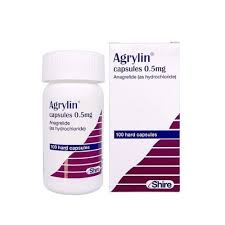
The core mechanism of anagrelide is to selectively inhibit megakaryocyte maturation and reduce platelet formation; hydroxyurea blocks the overall proliferation of blood cells in the bone marrow by inhibitingDNA synthesis. The former is a "platelet-targeting type" and the latter is a "broad-spectrum cell inhibitory type". Therefore, while anagrelide lowers platelets, it has a relatively small effect on red blood cells and white blood cells and will not cause significant bone marrow suppression. Long-term use of hydroxyurea may cause leukopenia, anemia and even skin ulcers, so blood pictures need to be monitored regularly.
From a safety perspective, the main side effects of anagrelide are related to the cardiovascular system, including mild palpitations, hypotension, or dizziness, but these are usually dose-related and can be alleviated by adjusting the medication. Hydroxyurea has potential mutagenic risks after long-term use. Some patients may develop skin pigmentation, nail blackening, or skin fibrosis. Therefore, its use is generally not recommended for young patients and pregnant women.
In terms of efficacy, anagrelide has a more direct and controllable decrease in platelet count and is suitable for patients with simple platelet elevation; hydroxyurea is more effective in myeloproliferative syndrome accompanied by an increase in red blood cells or white blood cells. Therefore, the two can be used jointly or alternately according to patient characteristics. For example, in high-risk ET patients, first using hydroxyurea to control the overall blood picture, and then using anagrelide to maintain platelet levels can both improve efficacy and reduce toxicity.
Reference materials:https://go.drugbank.com/drugs/DB00261
[ 免责声明 ] 本页面内容来自公开渠道(如FDA官网、Drugs官网、原研药厂官网等),仅供持有医疗专业资质的人员用于医学药学研究参考,不构成任何治疗建议或药品推荐。所涉药品可能未在中国大陆获批上市,不适用于中国境内销售和使用。如需治疗,请咨询正规医疗机构。本站不提供药品销售或代购服务。


