
.jpeg)
Capmatinib (Touradida) dosage adjustment method and recommendations for different patients
Capmatinib is a selective c-MET receptor tyrosine kinase inhibitor, mainly used to treat METexon 14 skipping mutation-positive non-small cell lung cancer (NSCLC). The standard recommended dose is 400mgorally, twice daily, continuously until disease progression or unacceptable toxicity. Dose adjustment is mainly based on the patient's tolerance, liver and kidney function status, and severity of adverse reactions to ensure efficacy while reducing the risk of side effects.
For patients who experience mild to moderate adverse reactions (such as edema, nausea, mild liver enzyme elevation), you may consider temporarily discontinuing the drug or reducing the dose from 400mg to 300mg twice a day until the symptoms are relieved, and then gradually return to the original dose. If the patient experiences serious adverse reactions (such as severe liver function damage, severe pulmonary toxicity), the drug needs to be discontinued immediately, and under the guidance of a doctor, the patient must evaluate whether to resume treatment or permanently discontinue the drug.
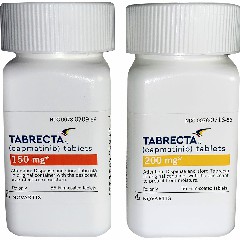
In patients with impaired hepatic function , mild to moderate hepatic impairment (Child-Pugh A or B) usually does not require dose adjustment, but regular monitoring of liver function indicators is required. There is still a lack of sufficient data in patients with severe hepatic insufficiency. It is recommended to use it with caution and consider reducing the dose or extending the dosing interval under professional guidance. For patients with renal insufficiency, there is usually no need to adjust the dosage for mild to moderate renal impairment, but patients with severe renal insufficiency or dialysis should use it with caution and strengthen blood concentration and toxicity monitoring.
In general, the dose adjustment of capmatinib should be individualized, step-by-step, and adjusted based on the patient's adverse reactions and physiological conditions. In clinical practice, blood routine, liver and kidney function, and symptom manifestations should be closely monitored, and the dosage regimen should be optimized based on tolerability and efficacy evaluation. Through scientific adjustment, the therapeutic effect can be ensured to the maximum extent, while adverse events can be reduced, and the sustainability of long-term medication and quality of life of patients can be improved.
Reference materials:https://www.drugs.com/
[ 免责声明 ] 本页面内容来自公开渠道(如FDA官网、Drugs官网、原研药厂官网等),仅供持有医疗专业资质的人员用于医学药学研究参考,不构成任何治疗建议或药品推荐。所涉药品可能未在中国大陆获批上市,不适用于中国境内销售和使用。如需治疗,请咨询正规医疗机构。本站不提供药品销售或代购服务。


