
.jpeg)
Lorlatinib/Lorlatinib (Borina) drug instructions details
Lorlatinib/ Lorlatinib ( Lorlatinib) is a highly selective new generation ALK inhibitor that occupies an important position in the global treatment of lung cancer. Its trade names include Lorbrena and Lorviqua, and is also commonly known as lorlatinib. As an innovative targeted therapy drug, it is specially designed for ALK-positive metastatic non-small cell lung cancer. Its development focuses on solving the need for continued treatment after resistance to previous generation ALK inhibitors, while improving the drug's ability to cross the blood-brain barrier to cover central nervous system metastasis.
1. Which patients are suitable for lorlatinib?
Lorlatinib is mainly intended for adults who have been diagnosed with ALK-positive metastatic non-small cell lung cancer (NSCLC). The ALK fusion gene is identified through a specific companion diagnostic test, so not all lung cancer patients are candidates for the drug. ALK positivity usually indicates that tumors rely on this abnormal signaling pathway to grow, so the use of lorlatinib can more accurately cut off the driving force of tumor proliferation. Lorlatinib is considered an important later-line option for patients who have experienced disease progression on first- or second-generation ALK inhibitors.
2. What are the possible side effects of lorlatinib?
As a highly selective targeted drug, lorlatinib has certain side effects, the more common of which are dyslipidemia Dyslipidemia, including elevated cholesterol and triglycerides. Such changes often need to be managed in combination with lipid-lowering drugs. In addition, edema, peripheral nerve discomfort, weight gain, cough, diarrhea, fatigue, joint aches, and mood and cognitive changes are also common. In some patients, conditions that may affect thinking or attention, such as slowed reaction, decreased memory, etc., are one of the unique adverse reactions of lorlatinib.
Among the serious side effects, you need to be more vigilant about Pneumonitis or pulmonary inflammatory reaction. Once symptoms such as difficulty breathing, persistent fever, dry cough, etc. occur, you should contact the medical team in time. Because the medication takes a long time, patients usually need to regularly evaluate blood lipids, liver function, and nervous system status during treatment to ensure safety.
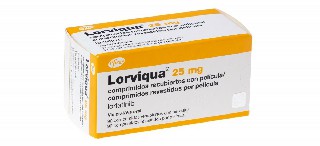
3. Standard dosage of lorlatinib
The recommended dose of lorlatinib is 100 mg once a day, and the time can be fixed at any time of the day. It does not affect absorption whether with or without food, so it can be taken with meals or on an empty stomach. Because the structural integrity of the sustained-release drug is critical, tablets must be swallowed whole and not crushed, broken, or chewed; if the tablet breaks, continued use is not recommended.
If you miss a dose on the day, you can take it more than four hours before the next dose; if the time is close to the next dose, you can just skip it, and you should not "double take" just to make up the dose. If you vomit after taking the medicine, there is no need to take an additional dose, just continue taking the next dose according to the original plan.
4. How to store and preserve Lorlatinib
Lorlatinib should be placed at a room temperature of 20°C to 25°C, allowing certain temperature fluctuations in a short period of time, but try to keep it dry and protected from light. Medications should be kept sealed and out of the reach of children. Because its chemical structure is relatively sensitive, moisture, high or low temperatures may affect drug stability, so it is recommended to ensure a moisture-proof seal when traveling.
5. Analysis of the mechanism of action of lorlatinib
Lorlatinib is a third-generationALK inhibitor that can highly selectively inhibit abnormally activated ALK and ROS1 signals, while still having the ability to inhibit certain drug-resistant mutations that occurred after the use of early ALK drugs. The core advantages of its molecular design include:
Able to penetrate the blood-brain barrier: suitable for patients with brain metastases, which is an important advantage in clinical application.
Can inhibit a variety ofALK mutations: including common resistance mutations after treatment with crizotinib, ceritinib, alectinib, etc.
Inhibits tumor cell proliferation and survival signals: leading to cell cycle blockage and growth arrest.
Multiple animal model studies have shown that lorlatinib can effectively reduce the phosphorylation level of ALK in tumors thereby inhibiting tumor growth, and shows sustained inhibitory activity against drug-resistant mutant ALK. These characteristics make it irreplaceable in back-line treatment.
6. Which patients are not suitable for lorlatinib?
Lorlatinib significantly increases the risk of hepatotoxicity when coadministered with potent CYP3A inducers, and therefore concurrent use of these drugs is contraindicated. In addition, patients with severe uncontrolled hyperlipidemia, neurological disease, or previous cognitive impairment need to use it with caution under physician evaluation. Pregnant and lactating women also need to pay special attention to risk assessment before deciding whether to start treatment.
References:https://www.lorbrena.com/
[ 免责声明 ] 本页面内容来自公开渠道(如FDA官网、Drugs官网、原研药厂官网等),仅供持有医疗专业资质的人员用于医学药学研究参考,不构成任何治疗建议或药品推荐。所涉药品可能未在中国大陆获批上市,不适用于中国境内销售和使用。如需治疗,请咨询正规医疗机构。本站不提供药品销售或代购服务。


