
.jpeg)
Analysis of blood drug concentration and monitoring indicators after taking venetoclax/venetoclax (venetoclax)
Venetoclax (Venetoclax) is a selective BCL-2 inhibitor, mainly used to treat hematological malignancies such as chronic lymphocytic leukemia (CLL), acute myeloid leukemia (AML). It blocks the inhibitory effect of BCL-2 protein and restores the spontaneous apoptosis of cancer cells, thereby inhibiting tumor growth. Plasma drug concentration directly affects drug efficacy and safety, so reasonable monitoring is required in clinical application to optimize dosage and control adverse reactions.
After oral administration of venetoclax, plasma concentrations usually reach peak levels 6–8 hours after taking the drug (Cmax), the half-life is approximately 18–22 hours. Plasma drug concentration increases nearly linearly with increasing dose, but there are individual differences among patients. Factors such as liver and kidney function, concomitant medications, and body weight will all affect blood drug levels. Veneclat can reach steady-state plasma concentrations after several days of continuous administration, thereby maintaining effective BCL-2 inhibition.
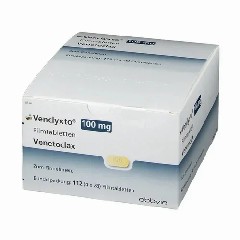
In clinical use, monitoring the blood concentration of venetoclax is mainly carried out through plasma drug concentration measurement and drug gene metabolism analysis. At the same time, attention should be paid to clinically relevant indicators, such as blood routine, liver and kidney function, and electrolyte levels such as blood potassium and blood calcium. For high-risk patients or when used in combination with chemotherapy regimens, blood drug concentrations need to be monitored more frequently to prevent tumor lysis syndrome (TLS), serious infection and hematological toxicity.
In order to ensure efficacy and safety, patients should follow a gradually increasing dosage regimen when using venetoclax, and adjust the dosage based on blood drug concentration and clinical indicators. For elderly patients or those with impaired liver and kidney function, the monitoring interval should be appropriately extended and the dosage should be adjusted. Through scientific blood drug concentration monitoring and indicator evaluation, individualized medication can be achieved, maximizing efficacy while reducing the risk of serious adverse reactions.
Reference materials:https://www.drugs.com/
[ 免责声明 ] 本页面内容来自公开渠道(如FDA官网、Drugs官网、原研药厂官网等),仅供持有医疗专业资质的人员用于医学药学研究参考,不构成任何治疗建议或药品推荐。所涉药品可能未在中国大陆获批上市,不适用于中国境内销售和使用。如需治疗,请咨询正规医疗机构。本站不提供药品销售或代购服务。


