
.jpeg)
Analysis of the treatment course and cycle of Asnib/Asiminib (Sinbel) in the treatment of chronic myelogenous leukemia
Asciminib is a selective STI-571 binding pocket (STAMP) Inhibitor, targeted inhibition of BCR-ABL1 tyrosine kinase activity in chronic myelogenous leukemia (CML). Unlike traditional ATPcompetitive tyrosine kinase inhibitors, Asciminib blocks the BCR-ABL1 signaling pathway through a unique binding site, effectively overcoming treatment problems in some drug-resistant or intolerant patients, thereby achieving long-term disease control.
In clinical trials and real-world studies, Asciminib is usually administered orally once or twice daily to CML patients, and the dose is adjusted based on the patient's previous treatment history and tolerance. The standard course of treatment for treatment-naïve or drug-resistant patients is generally continuous oral cyclic administration, with each cycle lasting approximately 4 weeks to allow assessment of hematological and molecular responses. The length of treatment is usually determined based on the patient's molecular response and tolerance, and some patients may require long-term maintenance treatment to prevent recurrence.
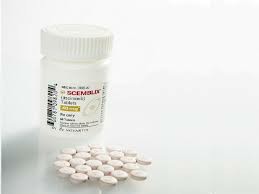
During the treatment process, it is necessary to regularly monitorBCR-ABL1 transcription levels, blood routine and liver and kidney functions to evaluate efficacy and safety. If the patient experiences adverse reactions or high blood drug concentration after 2–3 courses of treatment, dosage adjustment or intermittent administration can be performed to maintain treatment continuity and reduce the risk of side effects. At the end of the course of treatment or when adjusting it, the level of molecular response (such as MMR or deep molecular response) ** needs to be combined to decide whether to continue to maintain or switch to other regimens.
In general, Asciminib emphasizes individualized and long-term management in the treatment of chronic myelogenous leukemia. Doctors should develop a treatment plan based on the patient's disease course, tolerance, and previous TKI treatment, and dynamically adjust the dosing cycle combined with regular molecular monitoring. Through scientific management of treatment courses and cycles, Asciminib can effectively control the condition of chronic myelogenous leukemia, extend progression-free survival, and reduce the risk of relapse, providing reliable treatment options for refractory or drug-resistant CML patients.
References:https://www.drugs.com/
[ 免责声明 ] 本页面内容来自公开渠道(如FDA官网、Drugs官网、原研药厂官网等),仅供持有医疗专业资质的人员用于医学药学研究参考,不构成任何治疗建议或药品推荐。所涉药品可能未在中国大陆获批上市,不适用于中国境内销售和使用。如需治疗,请咨询正规医疗机构。本站不提供药品销售或代购服务。


