
.jpeg)
Effects and clinical cases of Pimitespib in the treatment of idiopathic pulmonary fibrosis
Pimitespib (trade name TAS-116) is an oral HSP90 inhibitor originally used to treat a variety of solid tumors. However, in recent years, researchers have found that it also has potential value in the field of anti-fibrosis, especially in experimental and early clinical studies of idiopathic pulmonary fibrosis (IPF). Idiopathic pulmonary fibrosis is a progressive, irreversible interstitial lung disease for which there is currently no complete cure. Since HSP90 plays a key role in lung fibroblast activation and inflammatory signaling, inhibition of HSP90 is considered to be possible to slow down the progression of pulmonary fibrosis and provide new treatment directions for patients.
Pimetibib selectively inhibits the activity of heat shock protein90 (HSP90), thus blocking multiple signaling pathway proteins that bind to it, such asTGF-β, Akt, ERK, etc. These signaling pathways play a central role in fibroblast activation and collagen deposition. Experimental data show that pimetibi can significantly reduce fibroblast proliferation and collagen deposition in lung tissue, improve lung tissue structure, and reduce inflammatory response. In addition, it can inhibit TGF-β-induced epithelial-mesenchymal transition (EMT) and fundamentally delay the pathological process of fibrosis, making it a potential anti-fibrosis target drug candidate.
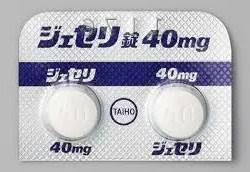
Currently, the treatment of idiopathic pulmonary fibrosis with pimetibib is still in the early clinical exploration stage. Some small-sample studies in Japan and South Korea have shown that the rate of lung function decline in patients treated with pimetibib was significantly lower than that of the control group within 6 months to 1 year, and some patients showed stabilization or slight improvement in pulmonary fibrosis areas on high-resolution CT images. Patients reported reductions in dyspnea symptoms and chronic cough, and improvements in exercise tolerance (6 minutes of walking distance). Although the current data sample is limited, the results suggest that pimetibi has a positive trend in controlling disease progression and improving quality of life.
In general, pimetibi is well tolerated in anti-fibrosis treatment. Common adverse reactions include mild gastrointestinal discomfort, fatigue and mild liver function abnormalities, and serious toxic and side effects are rare. Since patients with idiopathic pulmonary fibrosis are usually elderly, safety and tolerability of long-term medication are particularly important. At present, for the treatment of pimetibiIPFThe phase II clinical trial is in progress. If the efficacy is further verified, it is expected to become the third type of anti-fibrosis targeted drug after pirfenidone and nintedanib. Future research will focus on its long-term efficacy, combination treatment potential and optimal application strategies at different disease stages.
Reference materials:https://www.drugs.com/
[ 免责声明 ] 本页面内容来自公开渠道(如FDA官网、Drugs官网、原研药厂官网等),仅供持有医疗专业资质的人员用于医学药学研究参考,不构成任何治疗建议或药品推荐。所涉药品可能未在中国大陆获批上市,不适用于中国境内销售和使用。如需治疗,请咨询正规医疗机构。本站不提供药品销售或代购服务。


