
.jpeg)
Dosage adjustment of Asnib/Asiminib (Sinbel) and treatment methods for disease exacerbation
Asciminib (Asciminib) is a new type of ABL inhibitor, known as "STAMP inhibitor" (Specifically Targeting the ABL Myristoyl Pocket), is mainly used to treat adult patients with chronic myelogenous leukemia (CML), especially those who are resistant or intolerant to multiple generations of TKIs (such as imatinib, dasatinib, and nilotinib). Different from the traditional TKI mechanism of inhibiting ATP binding site, asinib targets The muscle acylation pocket site of ABL kinase achieves highly specific inhibition, effectively reduces the activity of the BCR-ABL signaling pathway and reduces non-target side effects.
The recommended starting dose of asinib depends on the patient's previous medication and tolerability. For CML patients without T315I mutations, the usual dose is 40mg, twice a day; for patients carrying the T315I mutation, 200 mg twice a day is recommended. During the treatment process, the dose needs to be dynamically adjusted according to adverse reactions and efficacy. If the patient develops hematological toxicity of grade ≥ grade 3 (such as severe neutropenia or thrombocytopenia), the drug should be temporarily discontinued and treatment should be resumed after recovery to grade ≥ grade 1 or below. If necessary, the drug can be reduced to 40 mg once a day. For patients with impaired liver or kidney function, the dose should be adjusted carefully under the guidance of a physician.
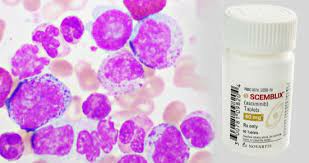
When a patient develops disease progression while taking Asnib, such as an increase in peripheral bloodBCR-ABL transcript levels, a significant increase in white blood cells, or a myelological relapse, the patient should first confirm whether compliance and drug blood concentration are up to standard. If irregular medication is ruled out, BCR-ABL mutation testing should be performed promptly to determine whether new drug-resistant mutations have emerged. If T315I or other high-drug resistance mutations are detected, you can consider increasing the dose or changing to other targeted drugs, such as ponatinib (Ponatinib), etc.; if the mutation is negative but the efficacy decreases, interferon or short-term chemotherapy can be combined to control disease progression. In addition, patient tolerance, comorbidities, and transplant suitability should be comprehensively evaluated, and hematopoietic stem cell transplantation should be considered if necessary.
During asinib treatment, it is recommended to detect BCR-ABL mRNA levels every 1 to 3 months to evaluate whether the molecular response is up to standard (such as reaching MMR or MR4). At the same time, liver and kidney function, blood routine, and electrocardiogram need to be monitored regularly to prevent drug-related toxicity. If the patient experiences persistent fatigue, muscle pain, or abnormal liver function, he or she should inform the doctor in time to adjust the medication plan. Clinical experience shows that asinib is well tolerated, but if the long-term efficacy declines, early intervention should be performed to avoid irreversible deterioration of the condition. In general, the dosage adjustment and disease management of asinib should be based on precise monitoring and dynamic optimization based on molecular biology results and individual responses, so as to achieve long-term control and relief of the disease.
Reference materials:https://www.drugs.com/
[ 免责声明 ] 本页面内容来自公开渠道(如FDA官网、Drugs官网、原研药厂官网等),仅供持有医疗专业资质的人员用于医学药学研究参考,不构成任何治疗建议或药品推荐。所涉药品可能未在中国大陆获批上市,不适用于中国境内销售和使用。如需治疗,请咨询正规医疗机构。本站不提供药品销售或代购服务。


