
.jpeg)
How long does it take for Ritexitinib to take effect and evaluation of the course of treatment?
Ritlecitinib is an oral, selective JAK3 and TEC family kinase inhibitor, mainly used to treat autoimmune diseases, especially moderate to severe alopecia areata (Alopecia Areata). The drug promotes hair regeneration by inhibiting overactive signaling pathways in the immune system and blocking T cells and NK cells from attacking hair follicles. Compared with traditional immunosuppressants, ritexitinib has more precise effects and more controllable side effects, so it is considered one of the breakthrough drugs for the treatment of alopecia areata worldwide.
Clinical studies have shown that most patients begin to show signs of hair regeneration about 88 to 12 weeks after taking ritexitinib, which is manifested by the growth of thin new hair on the scalp and the gradual reduction of the hair loss area. Some patients can observe significant improvement in hair volume as early as the 16th week of treatment, while for those with a longer course of disease or severe hair loss, the onset of effect may be delayed to around 24 weeks. According to the results of the phase III clinical trial ALLEGRO-LT, about 40% of patients who continued to take ritexitinib for more than half a year had a hair coverage rate of more than 50%, suggesting that the drug's efficacy gradually increases with treatment time.
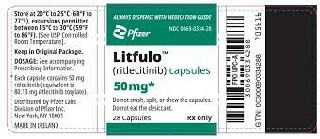
In clinical practice, doctors usually recommend that patients evaluate a treatment course of 24 weeks (about 6 months). If the patient achieves significant hair growth during this period (e.g. SALT score drops ≥30%), the current dose of treatment can be continued; if the response is insufficient, the course of treatment can be appropriately extended or the dose can be adjusted. Research shows that some patients may experience hair loss again after discontinuing treatment, so it is more prudent to maintain treatment for 3 to 6 months and then gradually reduce the dose. For those who respond slowly, a comprehensive evaluation should be made based on blood immune indicators and the severity of the disease to determine whether to continue or combine other treatment options.
The effectiveness of ritixitinib is closely related to individual differences. Patients should be reviewed regularly during treatment to monitor liver function, blood routine and immune response. While taking the medicine, you need to avoid taking it with strong drugsCYP3AUse inducers or inhibitors in combination to avoid affecting drug blood concentrations. It is worth noting that the evaluation of efficacy should be based on continuous observation, and premature discontinuation of medication due to short-term ineffectiveness is not recommended. Generally speaking, the treatment cycle of ritexitinib usually needs to last for more than half a year to achieve stable efficacy. Regular medication, patient waiting, and individualized adjustments under the guidance of a doctor are the keys to achieving long-term hair recovery.
Reference materials:https://www.drugs.com/
[ 免责声明 ] 本页面内容来自公开渠道(如FDA官网、Drugs官网、原研药厂官网等),仅供持有医疗专业资质的人员用于医学药学研究参考,不构成任何治疗建议或药品推荐。所涉药品可能未在中国大陆获批上市,不适用于中国境内销售和使用。如需治疗,请咨询正规医疗机构。本站不提供药品销售或代购服务。


