
.jpeg)
Can ixazomib (Enleri) be used in combination with chemotherapy and drug safety analysis
Ixazomib (Ixazomib) is an oral proteasome inhibitor mainly used to treat multiple myeloma (MM). Its mechanism of action is to inhibit 26S proteasome activity, block cell cycle protein degradation, lead to protein stress accumulation and apoptosis of myeloma cells, thereby inhibiting tumor growth. Compared with injectable proteasome inhibitors, the oral administration method of ixazomib is more convenient for patients to maintain long-term treatment, and its efficacy is comparable to intravenous preparations.
Ixazomib can be used in combination with a variety of chemotherapy drugs to improve treatment efficacy. Common combination regimens include ixazomib + lenalidomide + dexamethasone (IRd regimen), ixazomib + melphalan or cyclophosphamide, etc. In clinical studies, combination chemotherapy regimens have shown higher response rates and progression-free survival (PFS), especially for patients with relapsed or refractory multiple myeloma. For example, the IRd regimen can achieve an overall response rate (ORR) of more than 70% in relapsed patients, and can maintain a longer duration of remission and significantly improve patient prognosis.
Although combination chemotherapy can improve efficacy, it also increases the risk of adverse reactions. Common side effects of ixazomib include gastrointestinal reactions (nausea, vomiting, diarrhea), thrombocytopenia, peripheral neuropathy and fatigue. When used in combination with chemotherapy, these side effects may overlap with the bone marrow suppression and gastrointestinal toxicity of chemotherapy drugs, thereby increasing the risk of infection, anemia and bleeding. Therefore, during combined use, blood routine, liver and kidney function, and neurological symptoms need to be monitored regularly, and dosage adjustments or supportive treatments must be made in a timely manner to ensure safety.
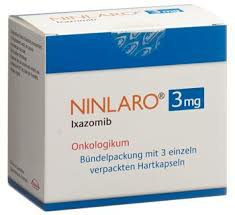
Clinically, the combined drug regimen needs to be adjusted individually based on the patient's age, renal function, liver function and previous drug tolerance. For patients with low platelets or neutrophils, prolonging the dosing interval of ixazomib or chemotherapy drugs can be considered; for patients with obvious peripheral neuropathy, the dose of ixazomib can be appropriately reduced or the course of treatment can be delayed. Individualized strategies aim to balance efficacy and safety to ensure that patients can continue to benefit from long-term treatment while reducing the incidence of serious adverse events.
During combination chemotherapy, patients should maintain good living habits, such as regular work and rest, low-salt and low-fat diet, and moderate exercise to enhance the body's tolerance. At the same time, routine blood tests, liver and kidney function, electrolytes and nervous system status need to be reviewed regularly. For patients who experience adverse reactions, timely measures should be taken, such as using anti-nausea drugs, supportive blood transfusion or nutritional support, and suspending or adjusting drug dosage if necessary. Through scientific management, the efficacy of combination therapy can be maximized while reducing the risk of adverse reactions.
Overall, ixazomib combined with chemotherapy shows significant efficacy advantages in patients with relapsed or refractory multiple myeloma, but combined use also brings risks of side effects and tolerance. Clinically, appropriate combination regimens should be selected based on the patient's specific conditions, and dose escalation and monitoring strategies should be strictly implemented. Through individualized dose adjustment, regular follow-up and life management, patients can not only obtain the maximum therapeutic effect, but also use it within a safe range for a long time to improve their quality of life and treatment compliance.
As treatment strategies for multiple myeloma develop, data on the long-term efficacy and safety of ixazomib combined with chemotherapy will further accumulate. Future studies may explore strategies in combination with novel targeted drugs or immunotherapy to improve efficacy and reduce toxicity. At the same time, optimizing individualized medication plans and developing tolerance management guidelines will also provide patients with safer and more efficient long-term treatment paths.
Reference materials:https://www.drugs.com/
xa0
[ 免责声明 ] 本页面内容来自公开渠道(如FDA官网、Drugs官网、原研药厂官网等),仅供持有医疗专业资质的人员用于医学药学研究参考,不构成任何治疗建议或药品推荐。所涉药品可能未在中国大陆获批上市,不适用于中国境内销售和使用。如需治疗,请咨询正规医疗机构。本站不提供药品销售或代购服务。


