
.jpeg)
Rubitidine/rubicatin (Zanbiga) medication methods and medication operation instructions
Lurbinectedin (Lurbinectedin) is a new type of transcription inhibitor anti-tumor drug. It mainly binds to the helical structure of DNA and inhibits the activity of RNA polymerase II to prevent the transcription and proliferation of tumor cells, thereby inducing cancer cell apoptosis. The drug is mainly used for the treatment of recurrence of small cell lung cancer (SCLC), especially for patients who have relapsed after receiving first-line chemotherapy or who have poor tolerance to standard chemotherapy. By blocking the transcription process of tumor cells, rubitidine can significantly delay disease progression in clinical practice and improve the overall response rate and progression-free survival of patients.
Rubitidine is usually administered by intravenous infusion. The standard recommended dose is 3.2 mg/m² once every three weeks by intravenous infusion for 30 minutes to 60 minutes. Before each course of treatment, the patient's suitability for continued treatment should be assessed based on the patient's blood routine, liver and kidney function, and blood pressure. Before taking the drug for the first time and before starting each cycle, it is necessary to ensure that the blood picture, liver function and renal function indicators are within a safe range to reduce the occurrence of serious adverse reactions. For elderly patients or frail patients, doctors may adjust the dose based on tolerance to ensure a balance between safety and efficacy.
Rubitidine must be administered by medical personnel with professional experience in intravenous administration. Before use, the drug should be prepared according to the instructions and avoid direct exposure to light. Gloves and protective clothing should be worn during the preparation process to avoid drug contact with the skin or inhalation of powder. During intravenous infusion, a dedicated infusion tube should be used to ensure uniform flow rate and observe the infusion reaction. If pain, redness, swelling or allergic reaction occurs at the infusion site, the infusion should be stopped immediately and symptomatic treatment should be taken. After the infusion is completed, the remaining liquid medicine should be properly disposed of to avoid environmental pollution or secondary exposure.
Patients need to complete a comprehensive assessment before taking medication, including blood routine, liver function, kidney function, cardiac function and previous drug use history. During treatment, the blood picture needs to be reviewed before each course of treatment, focusing on neutrophil and platelet counts to prevent bone marrow suppression; liver and kidney function should be monitored at the same time to adjust the dose in a timely manner. A dose delay or reduction should be considered in patients who develop severe myelosuppression or abnormal hepatic and renal function. In addition, patients should maintain good nutrition and rest during medication to avoid infections, especially respiratory and urinary system infections.
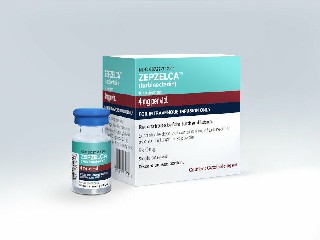
Common adverse reactions of rubitidine include bone marrow suppression (neutropenia, anemia, thrombocytopenia), nausea and vomiting, fatigue, diarrhea and mild abnormalities in liver function. For patients with significant bone marrow suppression, growth factors or blood transfusion support can be given; nausea and vomiting can be prevented or treated with anti-nausea drugs. During treatment, patients and their families should pay attention to observe any abnormal symptoms and report to the doctor in time so that the treatment plan can be adjusted. Scientific management of side effects is an important measure to ensure patient safety, extend the course of treatment, and improve efficacy.
The drug regimen of rubitin emphasizes individualized management. Doctors will adjust the dose and course of treatment based on the patient's age, weight, liver and kidney function, and past tolerance. During treatment, periodic evaluation can be conducted based on tumor response. If the tumor shrinks significantly or is stable, the regimen can be continued; if severe adverse reactions or poor efficacy occur, the dose needs to be adjusted or the treatment regimen needs to be changed. Through individualized management, drug efficacy can be improved while the risk of side effects can be reduced, achieving safe and effective long-term treatment.
Although rubitidine is administered intravenously, patients still need to pay attention to self-management in their daily lives. This includes maintaining a regular schedule, a balanced diet, moderate exercise, and avoiding contact with sources of infection to reduce the risk of infection caused by bone marrow suppression. During treatment, tumor indicators and blood indicators should be reviewed regularly, and any symptoms of discomfort should be recorded to provide a basis for doctors to adjust treatment plans. Scientific and standardized self-management can help improve treatment compliance and treatment effects.
Overall, rubitin shows good efficacy in relapsed or refractory small cell lung cancer by precisely inhibiting tumor transcription mechanisms. Medication must strictly follow intravenous administration operating procedures, regularly monitor blood and liver and kidney functions, and incorporate individualized dose adjustment strategies. Through standardized operations, scientific management of side effects and continuous follow-up, patients can maximize treatment benefits while reducing the risk of adverse reactions and achieving safe and efficient anti-tumor treatment.
Reference materials:https://www.drugs.com/
[ 免责声明 ] 本页面内容来自公开渠道(如FDA官网、Drugs官网、原研药厂官网等),仅供持有医疗专业资质的人员用于医学药学研究参考,不构成任何治疗建议或药品推荐。所涉药品可能未在中国大陆获批上市,不适用于中国境内销售和使用。如需治疗,请咨询正规医疗机构。本站不提供药品销售或代购服务。


