
.jpeg)
How to master the correct usage and dosage of zotuximab/veluoyin
Zolbetuximab (zolbetuximab)-Vyloy is the first approved CLDN18.2-targeting monoclonal antibody. Its usage and dosage are highly professional and are often used in combination with fluoropyrimidine- and platinum-based chemotherapy regimens. Correctly mastering the administration method and timing is an important link that affects efficacy, safety and tolerability. In clinical use, Vyloy is mainly administered through intravenous infusion, and the dose is determined based on body surface area. This is a commonly used monoclonal antibody administration method in international cancer treatment.
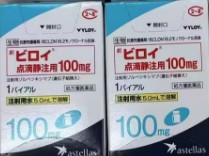
In the common recommended regimen, the first infusion dose is 800 mg/m², and then enters the maintenance treatment phase. You can choose to continue treatment at a rhythm of 600 mg/m² every three weeks or 400 mg/m² every two weeks. Different cycle arrangements are mainly selected based on the hospital's usual chemotherapy regimen and patient tolerance. Doctors will develop an individualized plan based on tumor burden, previous treatment experience, and control of gastrointestinal symptoms. Since zotuximab is a targeted antibody, its infusion speed, pretreatment medication, and observation time all need to follow strict procedures to reduce risks such as infusion reactions.
It is particularly important to emphasize that if zotuximab is administered on the same day as fluoropyrimidine- and platinum-containing chemotherapy, zotuximab must be infused first, which is a clear operational requirement in the official dosing guidelines. The reason is that antibody drugs usually need to be infused in a stable environment, and chemotherapy drugs may increase the risk of adverse reactions. Therefore, giving zotuximab first will help control the monitoring window for infusion reactions. Overseas oncology institutions generally follow this sequence to ensure consistency in the medication process.
Infusion reactions are the most frequently highlighted risk factor during the use of targeted antibodies. While serious reactions are uncommon, the first infusion often requires longer monitoring, which is why the first dose is usually higher and administered in a professional medical setting. The doctor will adjust the observation duration based on the patient's weight, liver and kidney function, and previous chemotherapy tolerance. If necessary, pretreatment with antihistamines or steroids will be given to improve safety.
Reference materials:https://www.astellas.com/en/news/29401
[ 免责声明 ] 本页面内容来自公开渠道(如FDA官网、Drugs官网、原研药厂官网等),仅供持有医疗专业资质的人员用于医学药学研究参考,不构成任何治疗建议或药品推荐。所涉药品可能未在中国大陆获批上市,不适用于中国境内销售和使用。如需治疗,请咨询正规医疗机构。本站不提供药品销售或代购服务。


