
.jpeg)
Comparison of the efficacy and side effects of afatinib (geterinib) and gefitinib
Afatinib and gefitinibGefitinib are both epidermal growth factor receptor tyrosine kinase inhibitors (EGFR -TKI), mainly used for patients with EGFR mutation-positive non-small cell lung cancer (NSCLC). Although both target the EGFR signaling pathway, there are obvious differences in pharmacological properties, efficacy characteristics and adverse reaction spectrum. Comprehensive comparison of the two drugs will help clinical rational selection of treatment options, maximize efficacy and control side effects.
In terms of pharmacological mechanism, gefitinib is a reversible EGFR-TKI. It mainly inhibits receptor kinase activity by competing with EGFR's ATP binding site, thereby blocking tumor cell proliferation signals. In contrast, afatinib is an irreversible EGFR-TKI that can covalently bind to ErbB family members (including EGFR, HER 2 and HER4), not only inhibit EGFR signals, but also act on other ErbB receptors to inhibit tumor cell proliferation and survival signals. This irreversible effect allows afatinib to show stronger tumor inhibitory effects in some patients with EGFR mutation types (especially knockout Del19 mutations).
In terms of efficacy, multiple clinical trials have shown that afatinib is superior to gefitinib in terms of progression-free survival (PFS) in patients with specific EGFR mutation subtypes. For example, LUX-Lung 3 and LUX-Lung 6Research shows that the median PFSof afatinib in patients with Del19 mutations is about The median PFS with gefitinib was about 9 months compared with 11 months. In addition, afatinib is also slightly higher than gefitinib in terms of overall response rate (ORR) and complete molecular response. For patients with L858R mutation, there is little difference in efficacy between the two, but afatinib still has slight advantages in long-term efficacy maintenance and deep remission.
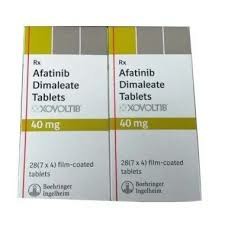
There are certain differences between the two in terms of side effects. The main adverse reactions of gefitinib include rash, diarrhea, mild liver function abnormalities and oral ulcers. It is generally well tolerated. Side effects are mostly grade 1-2 and can be managed through symptomatic treatment. Due to its irreversible effects and extensive inhibition of the ErbB family, common side effects of afatinib include rash, diarrhea, stomatitis, paronychia, and mild to moderate liver function abnormalities. Some patients may experience severe diarrhea or skin toxicity, which needs to be managed through dose adjustment, drug discontinuation, or symptomatic treatment. Therefore, afatinib has a slightly higher incidence and severity of side effects than gefitinib, but its efficacy advantage is obvious in patients with specific EGFR mutations.
Clinical selection should be based on the patient'sEGFR mutation type, physical condition and tolerance. For patients with Del19 mutations who are able to tolerate side effects, afatinib may be more suitable, providing longer PFS and higher ORR. For patients with the L858R mutation or who are more sensitive to side effects, gefitinib is still an effective and better-tolerated option. In addition, both drugs can be administered orally, which facilitates long-term maintenance treatment for patients, and can be combined with subsequent second- or third-generation TKI sequential treatment strategies to extend overall survival.
In general, afatinib and gefitinib have their own advantages in the treatment of EGFR mutationsNSCLC. Afatinib, with its irreversible inhibition and broad-spectrum ErbB targeting, has better efficacy in patients with Del19 mutations, but has slightly higher side effects. Gefitinib has stable efficacy and good tolerability, and is suitable for patients who are sensitive to side effects or have L858R mutations. In clinical practice, individual selection should be made based on the patient's specific conditions, and efficacy and medication safety should be ensured by regularly monitoring hematology, liver and kidney function, and managing skin and gastrointestinal reactions. Scientific evaluation of efficacy and tolerability, combined with patient quality of life and long-term treatment needs, can achieve the best benefits of EGFR targeted therapy.
Reference materials:https://www.drugs.com/
[ 免责声明 ] 本页面内容来自公开渠道(如FDA官网、Drugs官网、原研药厂官网等),仅供持有医疗专业资质的人员用于医学药学研究参考,不构成任何治疗建议或药品推荐。所涉药品可能未在中国大陆获批上市,不适用于中国境内销售和使用。如需治疗,请咨询正规医疗机构。本站不提供药品销售或代购服务。


