
.jpeg)
DaliRasheng (Keweike) drug interactions and precautions for combined use
Daridorexant is an oral dual-receptor antagonist that mainly targets the orexin receptors OX1R and OX2R, regulates the sleep-wake cycle, and is used to treat patients with insomnia. As a hypnotic with a new mechanism of action, Dalitraxen has shown significant efficacy in improving the time it takes to fall asleep and prolonging the total sleep duration. However, the safe use of drugs in clinical practice not only depends on their own pharmacological properties, but is also closely related to the interactions with other drugs. Therefore, a systematic understanding of drug interactions and combined medication precautions for DaliRasen is crucial to ensuring patient drug safety and optimizing efficacy.
First of all, dalirasin is mainly metabolized by the CYP3A4 enzyme in the liver, so special attention must be paid when it is combined with CYP3A4 inhibitors or inducers. CYP3A4Inhibitors such as ketoconazole, itraconazole or clarithromycin may increase the blood concentration of dalirexant, thereby increasing sedation, drowsiness and the risk of falls; while CYP3A4 inducers such as rifampicin, carbamazepine or St. John's wort may reduce the blood concentration, weaken the drug's efficacy, and cause persistent insomnia symptoms. Therefore, it is necessary to fully evaluate drug interactions when using combined drugs, and adjust the dose of dalirasin or choose alternative drugs if necessary.
Secondly, when DaliRazen is used in combination with other central nervous system depressants (CNS depressants), one should be highly vigilant about additive sedative effects. Common CNS depressants include benzodiazepines (such as lorazepam), non-benzodiazepine hypnotics (such as estazolam), antidepressants (such as mirtazapine), antipsychotics (such as olanzapine), and alcohol. Combined use may cause excessive sedation, somnolence, decreased concentration, impaired coordination, and even respiratory depression. Therefore, clinical use should be avoided or the dosage should be adjusted carefully under the guidance of a physician, and patients are advised to observe reactions in a safe environment when taking combined drugs for the first time.
In addition, DaliRasen may affect the metabolism or efficacy of other drugs. Although it has limited drug interactions as an OX1R/OX2R antagonist, patients who use multiple drugs for a long time should regularly monitor blood pressure, liver function, heart rate and other indicators to detect adverse reactions caused by potential interactions. For example, when used in combination with antihypertensive medications, if the patient is experiencing symptoms of sedation or fatigue, the dose or duration of medication may need to be adjusted to stabilize blood pressure and avoid the risk of falls.
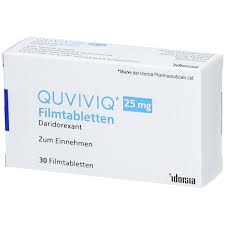
For elderly patients or patients with impaired liver function, special caution should be exercised when using combined medications. The elderly are sensitive to sedative drugs and are often accompanied by a variety of chronic diseases and multi-drug combinations. The use of Dalirasin may increase the risk of falls or cognitive impairment; patients with abnormal liver function may cause drug clearance to slow down and blood drug concentrations to increase. Combined withCYP3A4The risk is further increased when taking inhibitors. Therefore, in these groups, clinical recommendations are to start with a low dose, strengthen monitoring in the early stages of treatment, and regularly evaluate drug efficacy and adverse reactions.
In addition, patients should avoid drinking alcohol and abusing other sedatives while taking DaliRazen to reduce the risk of superimposed sedation and respiratory depression. Clinicians should explain the potential risks of combined drug use to patients in detail, and instruct them to record medication usage, sleep quality, and discomfort symptoms for comprehensive evaluation during follow-up. Through scientific drug management and lifestyle intervention, the efficacy of DaliRasen in improving insomnia symptoms can be fully exerted while ensuring safety.
Taken together, in the clinical application of DaliRasen, drug interactions and combined medication precautions mainly involveCYP3A4metabolism-related drugs, central nervous system depressant drugs, and special risks in elderly and patients with impaired liver function. By rationally selecting combination medication regimens, adjusting dosages, and closely monitoring physiological indicators and patient responses, adverse reactions can be minimized, ensuring both efficacy and safety, and providing scientific and sustainable treatment options for insomnia patients.
Reference materials:https://www.drugs.com/
[ 免责声明 ] 本页面内容来自公开渠道(如FDA官网、Drugs官网、原研药厂官网等),仅供持有医疗专业资质的人员用于医学药学研究参考,不构成任何治疗建议或药品推荐。所涉药品可能未在中国大陆获批上市,不适用于中国境内销售和使用。如需治疗,请咨询正规医疗机构。本站不提供药品销售或代购服务。


