
.jpeg)
Rubitin/Rubicatin (Zanbega) Medication Guide and Safe Medication Operation Suggestions
Lurbinectedin (Chinese trade name "Lubikadin") is a new anti-tumor chemotherapy drug that belongs to the class of transcription inhibitors. It inhibits the transcriptional activity of tumor cells by binding to specific regions of DNA, thereby preventing cancer cell protein synthesis and inducing apoptosis. Compared with traditional chemotherapy drugs, while inhibiting tumor cell proliferation, rubitidine has relatively little impact on normal tissues and has relatively controllable side effects. Currently, the drug is mainly used to treat small cell lung cancer (SCLC), especially for patients who have relapsed after first-line platinum-containing regimen treatment. It has shown good anti-tumor activity in international clinical studies.
Rubitidine is an intravenous infusion drug, which usually needs to be administered in specialized oncology hospitals or centers with experience in chemotherapy. The recommended dose is 3.2 mg per square meter of body surface area, administered through intravenous infusion, and the entire infusion process usually lasts about 60 minutes. The course of treatment is administered once every 21 days, and can be adjusted appropriately according to the patient's clinical response and tolerance. If severe myelosuppression occurs (such as neutropenia or thrombocytopenia), the physician may extend the dosing interval or reduce the dose. Before first use, a complete liver and kidney function and blood picture evaluation is required to ensure that the patient meets the chemotherapy tolerance standards.
Before receiving rubitidine treatment, doctors usually advise patients to replenish sufficient fluids and maintain good nutritional status to reduce chemotherapy-related adverse reactions. On the day of infusion, it is recommended that patients fast for 2 to 3 hours and avoid high-fat foods. Antiemetic drugs should be given before infusion to prevent nausea and vomiting. During the infusion process, medical staff need to closely observe whether the patient has an infusion reaction, such as fever, rash, or shortness of breath. After the infusion, the patient should be observed in the hospital for at least 30 minutes to prevent delayed allergic reactions or adverse reactions. During treatment, it is recommended to monitor blood routine, liver and kidney function, electrolytes and other indicators every week to ensure safe drug metabolism.
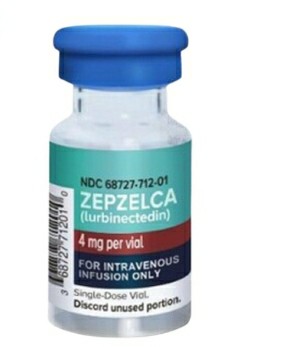
Common adverse reactions of rubitidine include fatigue, nausea, decreased appetite, neutropenia, anemia, and mild liver enzyme elevation. Most side effects can be relieved by symptomatic and supportive treatment or brief discontinuation of the drug. For example, if nausea or vomiting occurs, antiemetics such as ondansetron can be taken in advance; if white blood cells decrease, granulocyte stimulating factor (G-CSF) can be used under the guidance of a doctor to promote bone marrow recovery. Some patients may have mild liver function abnormalities and need to regularly monitor ALT, AST, and bilirubin levels. If liver function damage is obvious, the drug should be stopped promptly and hepatoprotective treatment should be given. Overall, the toxicity of rubitin is controllable and its safety is better than traditional chemotherapy regimens.
Safe medication operations and precautions
1. Strictly follow the doctor’s instructions for administration: Rubitidine is a prescription drug and must be used under the guidance of an oncologist. Do not adjust the dosage or frequency without permission.
2.Avoid co-administration with strong CYP3A inhibitors or inducers: drugs such as ketoconazole, rifampicin, carbamazepine, etc. will affect the metabolism of rubitidine, thereby increasing toxicity or reducing efficacy.
3.Contraindicated in pregnant women and lactating women: This drug has potential teratogenic risks to the fetus. Women of childbearing age need to take effective contraceptive measures during treatment and avoid pregnancy for at least 6 months after stopping the drug.
4. Pay attention to the risk of infection: Due to the possibility of neutropenia, patients should avoid going to crowded places, pay attention to oral and skin hygiene, and seek medical treatment in time if fever or infection symptoms occur.
During the treatment of rubitidine, doctors will judge the efficacy and tolerability based on changes in the patient's condition, imaging evaluation results, and blood test indicators. Imaging review is usually performed after 2-3 cycles of treatment to evaluate tumor shrinkage or stabilization. If the effect is significant and the adverse reactions are controllable, maintenance treatment can be continued. If the disease progresses or side effects are difficult to control after two consecutive courses of treatment, a change of treatment plan or clinical trial treatment should be considered.
Rubitidine is a cold chain storage drug and should be stored in the dark at **2℃ to 8℃** and freezing is strictly prohibited. If cross-city or cross-border transportation is required, it is recommended to use professional cold chain drug transport boxes to ensure that the activity of the drug is not affected. Once the medicine is opened or dissolved, it should be used immediately and should not be repeatedly frozen and thawed or exposed to room temperature for a long time.
Throughout the treatment cycle, patients should maintain a healthy diet, increase their intake of high-quality protein, and avoid spicy, greasy, and irritating foods to promote physical recovery. It is not recommended to drink alcohol or smoke during treatment to avoid increasing the metabolic burden on the liver. In addition, patients should maintain adequate rest, avoid overexertion or staying up late, and regularly communicate with their doctors about physical changes and side effects.
Rubitin (rubicatin), as a new type of DNA transcription inhibitor, provides new treatment hope for patients with recurrent small cell lung cancer and other refractory tumors. Its medication is safer than traditional chemotherapy, but it is still necessary to strictly follow the doctor's instructions and properly monitor blood and liver function indicators. Through scientific management of medication, standardized infusion operations, and regular follow-up evaluations, patients can obtain the best treatment effect, prolong survival, and improve quality of life while ensuring safety.
Reference materials:https://www.drugs.com/
[ 免责声明 ] 本页面内容来自公开渠道(如FDA官网、Drugs官网、原研药厂官网等),仅供持有医疗专业资质的人员用于医学药学研究参考,不构成任何治疗建议或药品推荐。所涉药品可能未在中国大陆获批上市,不适用于中国境内销售和使用。如需治疗,请咨询正规医疗机构。本站不提供药品销售或代购服务。


