
.jpeg)
How high is the cure rate of Axitinib (Inlida) and the key factors affecting its efficacy
Axitinib is a highly selective vascular endothelial growth factor receptor (VEGFR) inhibitor, mainly used to treat blood vessel-dependent tumors such as advanced renal cell carcinoma (RCC). As a targeted drug, axitinib can block tumor angiogenesis, thereby inhibiting the growth and metastasis of cancer cells. Current clinical data shows that the objective response rate (ORR) of axitinib ranges from 30% to 40%, and some patients can achieve long-term stable disease. However, axitinib is not considered to have a "curative" effect, but rather has the primary goal of prolonging survival and improving quality of life. A small number of patients can even achieve long-term effects close to complete remission if the target is sensitive and the patient cooperates well.
The efficacy of axitinib is closely related to the patient's molecular characteristics and gene expression. Studies have found that the higher the activity of VEGFR and related pathways in tumor tissue, the more obvious the response to axitinib is. In addition, the patient's renal function status, weight changes, and basal metabolic capacity will also affect the drug metabolism rate, thereby indirectly affecting the efficacy. If some patients are combined with liver function impairment or take other drugs that affect CYP3A4 metabolism (such as ketoconazole, rifampicin), the blood drug concentration may be too high or too low, thus affecting the therapeutic effect and safety.
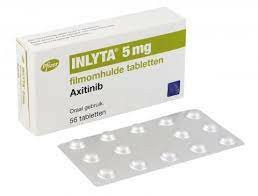
The treatment course of axitinib is usually long, requiring patients to take the drug regularly every day and continue to observe adverse reactions. Treatment compliance is one of the key factors affecting efficacy. If patients interrupt treatment due to side effects, it may lead to disease rebound or increased drug resistance. Doctors usually dynamically adjust the dose based on the patient's blood pressure, liver function and blood drug concentration to achieve the best effect. In addition, studies have shown that if a higher drug exposure level can be maintained without serious adverse reactions in the early stages of medication, better tumor control rates can often be achieved.
To improve the therapeutic effect of axitinib, individualized treatment and comprehensive management strategies should be adopted. Patients should closely monitor blood pressure, liver and kidney function, and cardiovascular status during medication, and report symptoms of discomfort in a timely manner. Reasonable diet, regular work and rest, and psychological adjustment can also improve the curative effect to a certain extent. In addition, if the patient develops drug resistance, combination immunotherapy or replacement with other targeted drugs (such as pembrolizumab combination regimen) may be considered. Overall, axitinib can significantly prolong the median progression-free survival of patients, but a true "cure" still requires multi-dimensional treatment management of early diagnosis, accurate classification and long-term follow-up.
Reference materials:https://www.drugs.com/
[ 免责声明 ] 本页面内容来自公开渠道(如FDA官网、Drugs官网、原研药厂官网等),仅供持有医疗专业资质的人员用于医学药学研究参考,不构成任何治疗建议或药品推荐。所涉药品可能未在中国大陆获批上市,不适用于中国境内销售和使用。如需治疗,请咨询正规医疗机构。本站不提供药品销售或代购服务。


