
.jpeg)
Which type of leukemia is suitable for treatment with giritinib (segatan)?
Gilitinib (Gilteritinib) is an oral FLT3 inhibitor that mainly targets FLT3 gene mutations (including AML). FLT3 is a receptor tyrosine kinase that participates in the regulation of cell differentiation and proliferation during normal hematopoiesis. However, when the gene is mutated, it can lead to abnormal proliferation and blocked apoptosis of leukemia cells, thereby promoting disease progression. Giritinib blocks leukemia cell growth signals by selectively inhibiting the FLT3 signaling pathway, causing abnormal cells to lose their proliferation advantage, and ultimately achieve disease control or remission.
Giritinib is mainly suitable for adult patients with relapsed or refractory acute myeloid leukemia (r/r AML) who have been confirmed to have FLT3 mutations. Such patients often have poor efficacy or disease recurrence after receiving traditional chemotherapy, and giritinib can provide them with a new treatment option. Clinical studies (such as the ADMIRAL trial) show that compared with standard chemotherapy, giritinib significantly prolongs overall survival, and some patients can achieve complete or partial remission. Therefore, giritinib has become one of the first-choice targeted therapies for patients with FLT3 mutated AML after relapse.
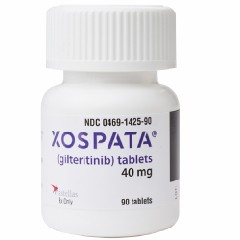
Although giritinib is effective, not allAML patients are suitable for use. For patients with undetected FLT3 mutations, geritinib is less effective and less effective; in addition, for patients with acute lymphoblastic leukemia (ALL), chronic myelogenous leukemia (CML) or other types of leukemia, there is currently lack of sufficient clinical evidence to support its use. In addition, people with severe liver or kidney function impairment, those with severe arrhythmia, and pregnant women should also use it with caution. The decision to take the drug should be made after risk assessment under strict supervision by a specialist.
In patients with confirmed FLT3 mutationsAML, giritinib can be used as a single agent treatment, or it can be used in combination with chemotherapy or hematopoietic stem cell transplantation in some regimens to improve efficacy and survival rates. During treatment, blood routine, liver and kidney function and electrocardiogram changes should be monitored regularly to detect side effects such as elevated transaminase and QT in a timely manner.Interval prolongation, muscle pain or fatigue, etc. Overall, giritinib provides a new precision treatment direction for patients with FLT3 mutated AML, allowing patients with relapsed or refractory leukemia to have longer survival and better quality of life.
Reference materials:https://www.drugs.com/
[ 免责声明 ] 本页面内容来自公开渠道(如FDA官网、Drugs官网、原研药厂官网等),仅供持有医疗专业资质的人员用于医学药学研究参考,不构成任何治疗建议或药品推荐。所涉药品可能未在中国大陆获批上市,不适用于中国境内销售和使用。如需治疗,请咨询正规医疗机构。本站不提供药品销售或代购服务。


