
.jpeg)
How long does it take to see obvious therapeutic effects after taking Osimertinib (Tagressa)
Osimertinib is a third-generation EGFR (epidermal growth factor receptor) tyrosine kinase inhibitor (TKI span>), mainly used to treat patients with EGFR mutation-positive non-small cell lung cancer (NSCLC). It can selectively inhibit common sensitive mutations (such as Exon 19deletion, L858R) and drug-resistant mutations T790M, thereby blocking the signal transduction of tumor cells and inhibiting the growth and spread of cancer cells. Since osimertinib is an oral targeted drug with rapid absorption and stable blood concentration, tumor shrinkage or symptom improvement can usually be observed within a few weeks after starting to take the drug.
According to the results of multiple international clinical studies (including the AURA3 and FLAURA trials), most patients Patients can observe obvious treatment responses, such as tumor imaging shrinkage, cough and chest tightness relief, etc., within about 4 to 8 weeks after taking osimertinib. Some patients who respond quickly can even feel improvement in their physical condition within 2 to 3 weeks. Studies have shown that the objective response rate (ORR) of osimertinib is above 70%, and the median progression-free survival (PFS) can reach more than 18 months, indicating that it not only has a rapid onset of effect, but also has a long-lasting effect.
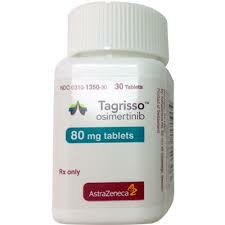
The time for osimertinib to take effect varies from person to person and is affected by many factors, including tumor load, mutation type, patient's metabolic capacity, and whether it is accompanied by brain metastases. For patients with brain metastases, because osimertinib can penetrate the blood-brain barrier, shrinkage of brain lesions can usually be observed within 1 to 2 months. However, if the patient has many lesions or has other drug-resistant mutations (such as C797S), the drug effect may be slower to appear. In addition, whether the drug is taken regularly, whether it is taken on an empty stomach, and interactions with other drugs will also affect blood concentration and efficacy stability.
Doctors usually recommend that patients take osimertinib between 4 and 6Weekly follow-up imaging was performed to assess drug response. If the curative effect is significant, maintenance treatment should be continued; if the curative effect is poor, doctors will evaluate whether there are new drug-resistant mutations and adjust the plan based on the genetic testing results. Patients should maintain regular medication during treatment, avoid missing doses or stopping medication on their own, and pay attention to monitoring side effects such as rash, diarrhea, nail changes, etc. Overall, most patients can see significant improvement within 1 to 2 months of taking osimertinib, and long-term treatment can help delay disease progression and improve quality of life.
Reference materials:https://www.drugs.com/
[ 免责声明 ] 本页面内容来自公开渠道(如FDA官网、Drugs官网、原研药厂官网等),仅供持有医疗专业资质的人员用于医学药学研究参考,不构成任何治疗建议或药品推荐。所涉药品可能未在中国大陆获批上市,不适用于中国境内销售和使用。如需治疗,请咨询正规医疗机构。本站不提供药品销售或代购服务。


