
.jpeg)
Latest news on ensifentrine, improves dyspnea, symptoms and quality of life in patients with chronic obstructive pulmonary disease without exacerbation
Dyspnea and quality of life improved after treatment with Ensifentrine inhalation suspension (Ensifentrine) -Ohtuvayre in a subgroup of adults with moderate to severe chronic obstructive pulmonary disease who did not worsen during the trial, according to data presented at the CHEST annual meeting. For many patients with COPD whose symptoms continue despite relief from standard-of-care therapies, results suggest additional benefits may be derived from nebulized inhalation of exefantine inhalation suspension.
According to the study results, dyspnea and quality of life improved after treatment with exefentine in a subgroup of adults with moderate to severe COPD who did not worsen during the trial. The drug produced clinically meaningful improvements in symptoms such as dyspnea, cough, phlegm and dyspnea, as well as in quality of life in patients with COPD, even those who did not experience exacerbations.
In a post hoc analysis of pooled ENHANCE-1 and ENHANCE-2 phase 3 trial data, patients aged 40 to 80 years old with moderate to severe COPD were assessed. Adults who were symptomatic and smoked for at least 10 pack-years were determined to receive 3 nebulized exefentine (Ohtuvayre, Verona) twice daily during a 24 week trial period. Pharma) had a positive impact on symptoms, dyspnea, and quality of life in 1384 people who did not experience moderate or severe COPD exacerbations.
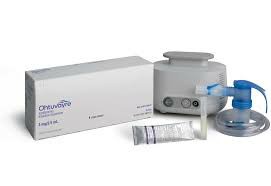
Patients in these studies may be receiving background therapy with long-acting beta-agonists or long-acting muscarinic antagonists, with or without inhaled corticosteroids. Notably, the U.S. Food and Drug Administration approved exefantine as a maintenance treatment for adults with COPD based on data from these Phase 3 trials.
In the study's subgroups, 891 adults received exefantine and 493 received placebo. The researchers noted that the exefentine group was comparable to the placebo group with respect to age, sex, baseline dyspnea index score, baseline respiratory symptom assessment (E-RS) total score, and baseline St. George's Respiratory Questionnaire (SGRQ) total score. Compared with patients who received placebo, patients who received exefantine6 weeks (least squares mean, 1.4 vs. 0.6), 12 weeks (1.6 vs. 0.8) and transitional dyspnea index (TDI) scores were significantly improved (P<0.05) at 2.1 vs. 1).
The minimal clinically important difference (MCID) in this score was at least 1 unit, and the researchers reported that at each time point, significantly more patients were treated with ensefantine compared with placebo: Day 6 n> week was 56% vs. 39% (OR=1.7; 95%CI, 1.3-2.2), No. 61% vs. 42% at 12 weeks (OR=1.7%; 95%CI:1.4-2.2) and 66% vs. 45% at week 24 (OR=1.9; 95%CI-1.5-2.4). Looking at the E-RS total score, where higher scores indicate more severe symptoms, Hanania noted that at 6 weeks (least squares mean change, -2 vs. -0.8), At 12 weeks (-2.4 vs. -1,2) and at 24 weeks (-24 vs. -1.5), patients receiving amsifen had significantly greater score reductions compared with placebo.
In addition, compared with the placebo group, there was a reported decrease in the risk of death at week 6 (43% vs. Significantly more patients in the ensefentin group achieved a MCID greater than or equal to -2. At week 24, the proportion of patients receiving exsefentin who met this MCID was only numerically greater than the proportion of patients receiving placebo who met this MCID (46% vs. 41%).
In terms of quality of life, researchers found that compared with placebo, patients who received exefantine had lower SGRQ total scores at week 6 (least squares mean change, -5.5 There were significant improvements at week 12 (-5.8 vs. -3.7). Additionally, at week 6 (48% vs. 41%; or=1.4; 95%CI, 1.1-1.7) and week At 12 weeks (50% vs. 41%; or=1.4; 95%CI, 1.1-1.8), SGRQ was achieved in the exefantine group Significantly more patients had MCID greater than or equal to -4. At week 24, the proportion of patients receiving ensefantine who achieved this achievement was only numerically higher than those receiving placebo (53% vs. 50%).
Research supports the fact that even COPD patients who do not experience exacerbations still experience daily symptoms and impaired quality of life that require treatment. Exefentine blocks PDE4 and PDE3, producing early and sustained improvements in TDI (dyspnea), E-RS (symptoms) and SGRQ (quality of life) in these populations.
According to the report, among the patient groups evaluated, there were no differences in treatment-emergent adverse events between those who received exefentine and those who received placebo. Future studies of new treatments for COPD should evaluate treatments for theB group who remain symptomatic despite bronchodilator therapy even though they are not at risk of exacerbation.
References: https://www.drugs.com/monograph/ensifentrine.html
[ 免责声明 ] 本页面内容来自公开渠道(如FDA官网、Drugs官网、原研药厂官网等),仅供持有医疗专业资质的人员用于医学药学研究参考,不构成任何治疗建议或药品推荐。所涉药品可能未在中国大陆获批上市,不适用于中国境内销售和使用。如需治疗,请咨询正规医疗机构。本站不提供药品销售或代购服务。


