
.jpeg)
Clinical guidelines for the scope of use of everolimus/Afinitor
Everolimus (Everolimus) is an inhibitor of the mTOR pathway, and its scope of application covers a variety of tumors and some rare diseases in global clinical guidelines. In recent years, with the continuous development of molecular targeted therapy concepts, everolimus has gradually become one of the irreplaceable core drugs in the management of multiple diseases.
In the field of oncology, everolimus is widely used for renal cell carcinoma, certain endocrine-related tumors, tumors of renal origin, and some lesions of lung or pancreatic origin. Because of its clear target and ability to block cell growth signaling pathways, it has been included in key treatment plans by multiple international guidelines. For some diseases that progress slowly or require long-term maintenance treatment, everolimus is often regarded as an important choice for maintenance management because of its oral administration, ease of use, and sufficient long-term data.
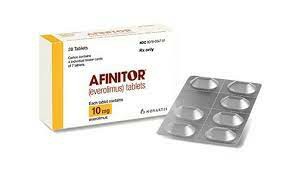
In addition, everolimus also plays a unique role in benign masses or organ lesions caused by some genetic diseases. Many overseas documents point out that it can affect the growth rate of diseased tissue by regulating the mTOR pathway. Therefore, it is used in some long-term management diseases to help slow down the increase in lesion volume or reduce the frequency of symptoms.
In the field of transplantation medicine, everolimus combined with other immunosuppressants can be used as a component of maintenance treatment after organ transplantation. Its immunomodulatory effects may reduce the risk of certain adverse events while improving long-term transplant outcomes in some patients. New clinical practices are also exploring more sophisticated combination strategies to improve safety and personalization.
Clinical guidelines generally emphasize the principle of individualized use of everolimus. Since its metabolism is affected by the CYP3A4 system, attention should be paid to drug interactions. For example, some antiepileptic drugs, antibiotics or antifungal drugs may affect everolimus concentration. Doctors usually collect comprehensive information based on the patient's underlying diseases, liver and kidney function indicators, and concomitant medication to formulate precise dosages.
Reference materials: https://www.drugs.com/everolimus.html
[ 免责声明 ] 本页面内容来自公开渠道(如FDA官网、Drugs官网、原研药厂官网等),仅供持有医疗专业资质的人员用于医学药学研究参考,不构成任何治疗建议或药品推荐。所涉药品可能未在中国大陆获批上市,不适用于中国境内销售和使用。如需治疗,请咨询正规医疗机构。本站不提供药品销售或代购服务。


