
.jpeg)
Possible adverse reactions of Erlotinib/Tarceva
Erlotinib (Erlotinib), as an EGFR targeted drug that has been clinically used for many years, still maintains an important position in the global precision treatment system for lung cancer, and its adverse reactions are constantly updated with real-world research. The adverse reactions of erlotinib are characterized by "prominent skin and gastrointestinal manifestations, closely related to dose and metabolism." Because the drug's targets overlap with normal EGFR activity in skin epithelial structures, skin reactions are the most common experience and include rash, dryness, itching, and mild breakdown due to an affected skin barrier. These manifestations are often related to treatment response, so the concept of "controllable but continuous management" is emphasized to reduce the impact through skin barrier repair and daily care.
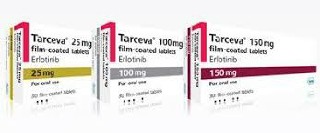
Erlotinib is related to EGFR activity in the gastrointestinal mucosa, so some patients may experience digestive discomforts such as diarrhea, loss of appetite, and nausea. This type of situation can usually be improved through dietary adjustments and necessary symptomatic management. Some patients taking acid-suppressing drugs may have changes in gastric acid affecting the absorption of erlotinib, resulting in fluctuations in drug efficacy. Therefore, overseas guidelines recommend avoiding combined medications that affect drug absorption as much as possible.
Another adverse reaction that needs attention is changes in liver function indicators. Although severe cases are uncommon, regular monitoring of liver enzymes is needed in long-term drug users to identify risks posed by drug metabolic load as early as possible. The pharmacokinetics of smokers may also be affected by CYP1A1/1A2 activation, causing an abnormal increase in the metabolism of erlotinib, thus affecting the efficacy and adverse reaction patterns. Therefore, international guidelines clearly propose "maintaining smoking cessation" as an important auxiliary treatment recommendation.
Eye discomfort has gradually received more attention in reports in recent years, including dry eye, eye pain, etc. The cause may be related to EGFR signaling in corneal epithelial cells and requires ophthalmic evaluation to ensure safety. Individual patients may also develop interstitial lung changes, and this rare but important adverse reaction is closely monitored globally.
References: https://en.wikipedia.org/wiki/Erlotinib
[ 免责声明 ] 本页面内容来自公开渠道(如FDA官网、Drugs官网、原研药厂官网等),仅供持有医疗专业资质的人员用于医学药学研究参考,不构成任何治疗建议或药品推荐。所涉药品可能未在中国大陆获批上市,不适用于中国境内销售和使用。如需治疗,请咨询正规医疗机构。本站不提供药品销售或代购服务。


