
.jpeg)
What is the mechanism of action of linezolid/Siwo and how does it work?
Linezolid (Linezolid) is an oxazolidinone antibiotic that is widely used to treat drug-resistant bacterial infections, especially against drug-resistant pathogenic bacteria such as methicillin-resistant Staphylococcus aureus (MRSA) and multidrug-resistant Mycobacterium tuberculosis (MDR-TB). Through its unique mechanism of action, it blocks the early steps of bacterial protein synthesis, thereby inhibiting bacterial growth and reproduction.
The main mechanism of action of linezolid is by inhibiting the bacterial protein synthesis process. Specifically, it acts on the bacterial 50S ribosomal subunit. Bacterial ribosomes are factories for protein synthesis, and the process of protein synthesis is critical to bacterial growth and division. Linezolid inhibits the normal function of the bacterial 50S subunit by binding to specific sites, thereby preventing the extension of the protein chain. Since proteins are core components of cellular function and survival, inhibition of protein synthesis directly results in the inability of bacteria to synthesize essential enzymes and other functional proteins, ultimately leading to bacterial death.
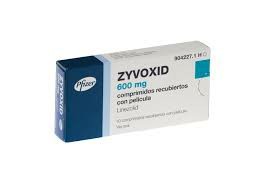
Linezolid interferes with the formation of the initiation complex by binding to the 50S subunit of the bacterial ribosome and preventing its assembly with the 30S subunit. This process is thought to be a critical step in inhibiting protein synthesis. During protein synthesis, bacteria need to first form a starting complex, which is composed of 30S and 50S subunits. The binding of linezolid prevents the efficient assembly of this complex and inhibits the bacterial protein synthesis process.
Linezolid has significant antibacterial activity against Gram-positive bacteria, especially drug-resistant Gram-positive bacteria. Its antibacterial spectrum includes methicillin-resistant Staphylococcus aureus (MRSA), multidrug-resistant Streptococcus pneumoniae, drug-resistant Streptococcus and other common Gram-positive pathogens. Through this unique mechanism of action, linezolid is not only effective against drug-resistant bacteria that are difficult to treat with traditional antibiotics, but also shows good efficacy in the treatment of a variety of complex infections.
Due to its unique antibacterial mechanism, linezolid is mainly used clinically to treat serious infections caused by drug-resistant bacteria, including methicillin-resistant Staphylococcus aureus (MRSA) infections, drug-resistant Streptococcus pneumoniae infections, and skin and soft tissue infections, pneumonia, sepsis, etc. caused by some Gram-positive bacteria. Especially when treating multidrug-resistant bacterial infections, linezolid has emerged as an effective treatment option.
Linezolid inhibits bacteriaThe 50S ribosomal subunit blocks the early process of protein synthesis, thereby effectively killing bacteria, especially drug-resistant bacteria. Its unique mechanism of action makes it play an important role in fighting drug-resistant infections. With the increasing number of drug-resistant bacteria, linezolid, as an important antibiotic, has become a key drug in the treatment of these bacterial infections.
Reference materials:https://go.drugbank.com/drugs/DB00601
[ 免责声明 ] 本页面内容来自公开渠道(如FDA官网、Drugs官网、原研药厂官网等),仅供持有医疗专业资质的人员用于医学药学研究参考,不构成任何治疗建议或药品推荐。所涉药品可能未在中国大陆获批上市,不适用于中国境内销售和使用。如需治疗,请咨询正规医疗机构。本站不提供药品销售或代购服务。


