
.jpeg)
Analysis on whether long-term medication must be adhered to after taking Asnib/Asiminib
Asciminib (Asciminib) is an inhibitor targeting BCR-ABL1 and is mainly used for the treatment of patients with chronic myelogenous leukemia (CML). Since CML is a chronic progressive disease and the BCR-ABL1 fusion gene persists, patients usually need to adhere to the medication for a long time after taking asinib. Long-term medication can continuously inhibit the activity of abnormal tyrosine kinases, thereby effectively controlling the disease, delaying disease progression, and reducing the risk of acute changes.
If a patient stops taking medication without permission or takes medication intermittently, leukemia cells may be reactivated and the condition may relapse or even worsen rapidly. Clinical studies have shown that long-term maintenance of asinib therapy can significantly improve the complete molecular response rate (CMR) and progression-free survival (PFS). Therefore, doctors usually recommend that patients follow the prescription and medical advice and take it on time and in the right amount.
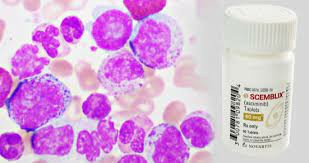
However, long-term use of asinib may also cause some cumulative side effects, such as decreased platelets, leukopenia, or mild to moderate liver function abnormalities. Therefore, patients need to conduct regular hematological indicators and liver function tests during long-term medication in order to detect abnormalities in time and adjust the dosage or take corresponding treatment measures. Doctors will evaluate whether the medication regimen needs to be adjusted based on the patient's specific situation and tolerance, but it is generally not recommended to stop medication at will.
Overall, long-term use of asinib is the key to controlling chronic myelogenous leukemia. Patients should maintain medication continuity and regularly review their condition and laboratory indicators. At the same time, lifestyle management combined with doctor's guidance, such as reasonable diet, moderate exercise and avoiding infections, can further improve the effectiveness of medication, reduce the risk of recurrence, and achieve the goal of long-term safe disease control.
Reference materials:https://www.drugs.com/
[ 免责声明 ] 本页面内容来自公开渠道(如FDA官网、Drugs官网、原研药厂官网等),仅供持有医疗专业资质的人员用于医学药学研究参考,不构成任何治疗建议或药品推荐。所涉药品可能未在中国大陆获批上市,不适用于中国境内销售和使用。如需治疗,请咨询正规医疗机构。本站不提供药品销售或代购服务。


