
.jpeg)
Detailed explanation of the contents and dosage instructions of Ritexitinib (Lefenox)
Ritlecitinib is a new oral JAK3/TEC selective inhibitor, mainly used to treat patients 12 years old and above with moderate to severe alopecia areata. As one of the first targeted drugs specifically developed to target the pathological mechanism of alopecia areata, the emergence of ritexitinib brings new treatment hope to patients with long-term hair loss, refractory alopecia areata and recurrent attacks. Clinical studies have shown that it can effectively inhibit abnormal immune attacks on hair follicles, thereby promoting hair regeneration. However, as an immunomodulatory drug, the use of ritexitinib needs to strictly follow the dosage specifications and safety management principles in the instructions to ensure maximum efficacy and reduce the risk of side effects.
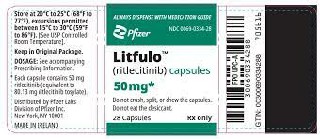
In terms of dosage, ritexitinib is usually administered orally once daily, with the recommended dose being 50 mg/day. The drug can be taken with food or on an empty stomach, and will not affect absorption. Therefore, patients can choose the time to take the drug according to their living habits, but they need to take it at the same time every day to maintain a stable blood concentration. When swallowing, the tablet should be swallowed whole and should not be broken or chewed to avoid affecting the drug release rate. For missed doses, if there is still a long time before the next dose, the patient can take it as soon as possible; but if it is close to the next dose, do not take it repeatedly or double to prevent drug accumulation leading to adverse reactions.
According to the drug instructions, the main contraindications for ritexitinib include those who are allergic to the ingredients of this product, patients with severe active infections, and people with major immune system diseases, active tuberculosis, etc. Necessary screening should be carried out before medication, including tuberculosis bacilli testing, liver and kidney function tests, blood routine and infection risk assessment. In addition, for long-term users, immune indicators and complete blood counts, especially the number of lymphocytes and neutrophils, need to be monitored regularly to detect abnormalities early. If signs of infection such as fever, persistent cough, swollen lymph nodes, etc. occur, seek medical attention immediately and suspend medication.
The efficacy of long-term use of rituxitinib has been confirmed in multiple clinical studies. Most patients can see varying degrees of hair regrowth after taking it for 12-24 weeks, and some patients require a longer course of treatment to maintain the effect. The drug instructions also emphasize that ritexitinib is a chronic immunomodulatory treatment and cannot completely reverse the disease with short-term medication. Therefore, for people with periodic attacks of alopecia areata or large-area hair loss, continuous treatment can obtain more stable results. If there is still no significant improvement after taking the medicine for several months, you should discuss with your doctor whether to adjust the dosage or change the therapy.
Overall, ritixitinib is a highly safe and clear-efficacy targeted drug for alopecia areata, but it needs to be used strictly in accordance with the instructions and periodic safety monitoring must be carried out under the guidance of a doctor. For patients, maintaining regular medication during treatment, providing timely feedback on adverse reactions, and cooperating with necessary monitoring projects will help maximize the advantages of the drug and reduce risks. As more real-world data accumulates, the future application prospects of ritexitinib in the field of alopecia areata and related immune alopecia diseases are worth looking forward to.
Reference materials:https://www.drugs.com/
[ 免责声明 ] 本页面内容来自公开渠道(如FDA官网、Drugs官网、原研药厂官网等),仅供持有医疗专业资质的人员用于医学药学研究参考,不构成任何治疗建议或药品推荐。所涉药品可能未在中国大陆获批上市,不适用于中国境内销售和使用。如需治疗,请咨询正规医疗机构。本站不提供药品销售或代购服务。


