
.jpeg)
Axitinib (Inlida) dose adjustment principles and adjustment methods in different situations
Axitinib is a highly selective VEGFR (vascular endothelial growth factor receptor) inhibitor, mainly used for the treatment of malignant tumors such as advanced renal cell carcinoma. The drug inhibits tumor angiogenesis by blocking the VEGFR-1, VEGFR-2 and VEGFR-3 signaling pathways, thereby inhibiting tumor growth and spread. Due to the large individual differences of axitinib, clinical treatment usually requires dose adjustment based on the patient's tolerance and efficacy performance to achieve the best therapeutic effect and reduce adverse reactions.
In standard treatment, the starting dose of axitinib is generally 5 mg taken orally twice daily, approximately 12 hours apart. Based on the patient's tolerance and blood pressure, liver function and other indicators, the doctor may consider adjusting the dose after 2 weeks of use. If the patient tolerates the drug well, has stable blood pressure control, and has no obvious toxic reactions, the dose can be gradually increased to 7 mg or 10 mg twice a day; if severe adverse reactions occur, such as hypertension, fatigue, diarrhea, or hand-foot syndrome, the dose should be temporarily reduced to 3 mgor2 mg twice daily. If necessary, the medication can be suspended until symptoms are relieved and then restarted.
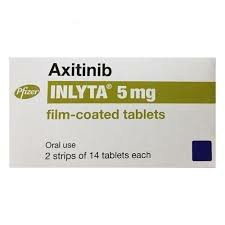
In special populations, dosage adjustment needs to be more cautious. In patients with hepatic impairment (Child-Pugh B class), plasma exposure of axitinib may be increased and therefore a lower starting dose is recommended, typically 3 mg twice daily. If patients are concurrently taking strong CYP3A4 inhibitors (such as ketoconazole, clarithromycin), the dose of axitinib should be reduced to avoid excessive plasma concentrations; conversely, if patients are concurrently using CYP3A4 inducers (such as rifampicin), the dose may need to be increased to maintain efficacy. In addition, elderly patients and underweight people should closely monitor blood pressure and liver function when adjusting the dose to prevent drug accumulation and serious side effects.
In general, the dosage adjustment of axitinib should follow the principle of "from low to high, individualized management". In clinical practice, doctors need to dynamically evaluate and flexibly adjust the dose based on the patient's overall condition, liver and kidney function, blood pressure level, and tolerance of adverse reactions. Reasonable dose management not only helps to improve the efficacy, but also significantly reduces the risk of drug toxicity and prolongs the survival time and quality of life of patients. This individualized adjustment strategy is the key to the successful treatment of patients with advanced kidney cancer with axitinib.
Reference materials:https://www.drugs.com/
xa0
[ 免责声明 ] 本页面内容来自公开渠道(如FDA官网、Drugs官网、原研药厂官网等),仅供持有医疗专业资质的人员用于医学药学研究参考,不构成任何治疗建议或药品推荐。所涉药品可能未在中国大陆获批上市,不适用于中国境内销售和使用。如需治疗,请咨询正规医疗机构。本站不提供药品销售或代购服务。


