
.jpeg)
Trametinib (Megenin) is suitable for use and dose adjustment in patients with liver and kidney dysfunction
From a pharmacokinetic perspective, trametinib is mainly excreted through liver metabolism and bile, with a lower proportion of renal excretion. Therefore, in patients with mild to moderate renal impairment, drug clearance does not change significantly and dose adjustment is generally not necessary. However, in patients with severe renal impairment (eGFR <30 mL/min), drug metabolism may be delayed, and plasma drug concentrations and adverse reactions should be closely monitored, and dosage reduction or dosing interval extension should be considered if necessary. For patients undergoing dialysis, due to the high protein binding rate and large distribution volume of trametinib, the dialysis clearance effect is limited, so it needs to be used with caution under strict monitoring.
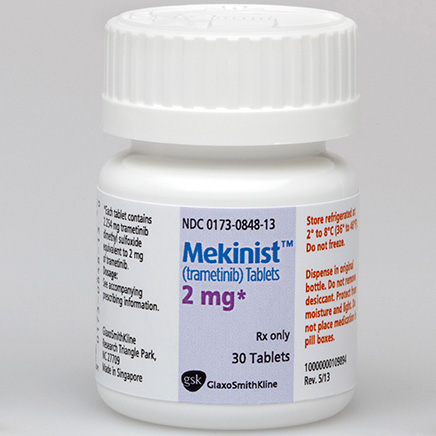
Generally speaking, trametinib is not a banned drug in patients with liver and kidney dysfunction, but the principle of "individualized evaluation and dynamic monitoring" must be followed. For patients with mild functional impairment, the standard medication regimen can be maintained; for moderately severe patients, the dose needs to be reduced and liver enzymes, renal function and cardiac status should be monitored regularly. In addition, concurrent use with strong CYP3A4 inhibitors or inducers should be avoided to prevent drug interactions leading to fluctuations in plasma concentrations. Reasonable dose adjustment and strict monitoring and management can not only reduce the risk of toxicity, but also ensure that trametinib can achieve the best therapeutic effect in special populations.
Reference: https://www.drugs.com/
[ 免责声明 ] 本页面内容来自公开渠道(如FDA官网、Drugs官网、原研药厂官网等),仅供持有医疗专业资质的人员用于医学药学研究参考,不构成任何治疗建议或药品推荐。所涉药品可能未在中国大陆获批上市,不适用于中国境内销售和使用。如需治疗,请咨询正规医疗机构。本站不提供药品销售或代购服务。


