
.jpeg)
Analysis of the difference between cemiplimab and pembrolizumab
In the context of the rapid development of tumor immunotherapy, PD-1 inhibitors have become a core treatment direction of global concern. Cemiplimab(Cemiplimab) and pembrolizumab (Pembrolizumab) are drugs with the same mechanism, but There are obvious differences in indication layout, target characteristics and usage scenarios. Patients are often confused when choosing "Are these two drugs similar?" In fact, although they are both PD-1 inhibitors, they focus on different disease areas and have different treatment strategies. Therefore, it is very important to understand the difference between the two.
From the perspective of indication layout, pembrolizumab has a wider global application scope, covering a variety of solid tumors, because it entered the market earlier and continuously expanded its research areas. In contrast, cimepilimab is most prominent in skin-related tumors. It is mainly used overseas for refractory diseases such as cutaneous squamous cell carcinoma and basal cell carcinoma, and is gradually expanding in the field of specific non-small cell lung cancer (NSCLC) subtypes. The indications of the two are different, so clinical selection often needs to be judged based on the tumor location, pathological type and the patient's previous treatment.
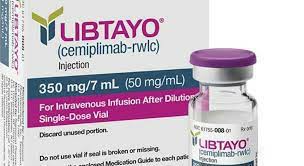
From the perspective of drug mechanism, both act on the PD-1 pathway, but there are differences in antibody structure and affinity, which may lead to subtle differences in the degree of immune activation. Some overseas studies believe that cimepilimab has more prominent immune activation performance in skin tumors, while pembrolizumab has more flexible combination space in multi-line treatment strategies, such as combination with chemotherapy, radiotherapy, targeted therapy, etc. Although the mechanisms of the two are similar, the effects of use in different patient groups still need to be evaluated based on individual conditions and treatment goals.
In terms of safety, the overall safety spectrum of the two is similar. Common adverse reactions include skin reactions, immune-related inflammatory reactions, fatigue, etc. However, due to different indications, the clinical focus is slightly different. For example, patients with skin tumors need to pay more attention to changes in local skin symptoms when using cimepilimab; while when pembrolizumab is used in patients with lung cancer, clinical focus is more on monitoring lung-related immune responses. Overall, the safety of both is considered manageable, and patients need to monitor regularly as directed by their doctor and provide timely feedback on body changes.
From the perspective of accessibility, pembrolizumab enters the market earlier and has wider global coverage. Mainland China has also included some indications in medical insurance, reducing the economic burden. However, cimepilimab has not yet been launched in China, its accessibility has not improved, and some people still rely on imported channels for use, so the choice may be affected by the supply channel.
Taken together, cimepilimab is more suitable for skin tumors and some specific patient groups, while pembrolizumab has a wider range of applications and has relatively mature treatment experience in different tumor types. Neither of them can be simply replaced, and a comprehensive judgment needs to be made based on factors such as tumor type, stage, previous treatment, and medical insurance accessibility. If patients are seeking immunotherapy for skin tumors, cimepilimab is a more distinctive choice; if they face a variety of solid tumors or want a richer combination treatment regimen, pembrolizumab may be more advantageous.
Reference materials:https://www.libtayohcp.com/
[ 免责声明 ] 本页面内容来自公开渠道(如FDA官网、Drugs官网、原研药厂官网等),仅供持有医疗专业资质的人员用于医学药学研究参考,不构成任何治疗建议或药品推荐。所涉药品可能未在中国大陆获批上市,不适用于中国境内销售和使用。如需治疗,请咨询正规医疗机构。本站不提供药品销售或代购服务。


