
.jpeg)
Scientific guidance on the discontinuation period of maribavi/yitazhi
Maribavir (Maribavir) is a new antiviral drug mainly used to treat human cytomegalovirus (CMV) infection and reactivation, especially for organ transplant patients. Its mechanism of action is by inhibiting CMV-specific kinase UL97, thereby blocking viral replication and reducing viral load. Since the drug is mainly metabolized by the liver and has significant efficacy in immunosuppressed patients, scientific guidance of drug withdrawal cycles is crucial to patient safety and therapeutic efficacy.
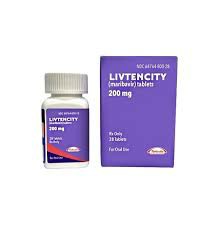
In clinical practice, the withdrawal strategy for maribabavir needs to be combined with a comprehensive assessment of viral load, immune status, and liver and kidney function. Under normal circumstances, after a patient's blood or virus test shows that the CMV load continues to decrease and reaches an undetectable level, the patient can consider gradually reducing the dose until discontinuing the drug. Abrupt interruption of treatment may lead to viral rebound or recurrence, especially in the context of immunosuppression after organ transplantation. Therefore, a strategy of gradually tapering the dose or extending the dosing interval is considered safer. In addition, a comprehensive hematological and liver and kidney function evaluation should be performed before drug discontinuation to ensure that the patient's organ function is stable, thereby reducing the risk of adverse reactions or viral recurrence after drug discontinuation.
Overseas guidelines recommend that the CMV load should be monitored regularly during the withdrawal process and reviewed once a week or every two weeks to detect potential recurrence in a timely manner. For high-risk patients, short-term low-dose maintenance therapy can be continued after drug withdrawal until immune function is restored or the virus is completely cleared. For patients with hepatic impairment or who are at higher risk from concomitant medications, the discontinuation plan should be adjusted based on individual circumstances to reduce potential adverse events. Scientific management of drug withdrawal periods not only helps maintain efficacy, but also significantly improves patient safety and quality of life.
Reference materials:https://www.livtencity.com/
[ 免责声明 ] 本页面内容来自公开渠道(如FDA官网、Drugs官网、原研药厂官网等),仅供持有医疗专业资质的人员用于医学药学研究参考,不构成任何治疗建议或药品推荐。所涉药品可能未在中国大陆获批上市,不适用于中国境内销售和使用。如需治疗,请咨询正规医疗机构。本站不提供药品销售或代购服务。


