
.jpeg)
Clofazimine dosage and dosage guidelines
Clofazimine (Clofazimine) emphasizes long-term combination therapy in clinical practice, and its medication strategy is mainly developed around different types ofleprosy diseasesand leprosy reactions. For various types of dapsone-resistant leprosy, the usual dose is 50-100 mg daily, which needs to be used in combination with other anti-leprosy drugs to reduce the risk of drug resistance and form a lasting bactericidal effect. Its long-term storage properties in tissues enable it to maintain a relatively stable blood concentration throughout the entire treatment period, making it an important component of the combination program.
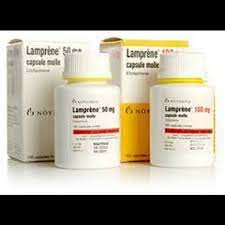
When a patient develops an erythematous nodular leprosy reaction accompanied by skin ulcers or nerve damage, the dose of clofazimine is usually increased to 0-300mg daily10 to replace part of the glucocorticoids to reduce the risk of side effects caused by long-term use of prednisone. Clofazimine is characterized by a slow onset of effect in response control, but a stable anti-inflammatory effect. Therefore, it is usually recommended to continue using it for several weeks before gradually reducing the hormone dose to ensure that the response is fully controlled. In the absence of severe cutaneous or neurologic symptoms, management is similar to that for dapsone-resistant leprosy.
For dapsone-sensitive leprosy types, clofazimine is usually used in combination with two other antileprosy drugs to ensure successful completion of the treatment cycle for more than 2 years. The goal of the combined approach is not only to control bacterial load but also to prevent recurrent leprosy reactions, thereby reducing the risk of subsequent disability. The maximum daily dose for adults generally does not exceed 300mg, while the dose for children lacks clear international standards, so it needs to be adjusted by a physician based on body weight and tolerance.
In terms of dosage guidelines, clofazimine is recommended to be taken with food to improve absorption and reduce gastrointestinal discomfort; at the same time, patients should be reminded that it may cause skin and body fluids to turn reddish brown, which is a normal phenomenon of drug accumulation and does not affect the efficacy.
Reference materials:https://www.novartis.com/our-products/pipeline/clofazimine
[ 免责声明 ] 本页面内容来自公开渠道(如FDA官网、Drugs官网、原研药厂官网等),仅供持有医疗专业资质的人员用于医学药学研究参考,不构成任何治疗建议或药品推荐。所涉药品可能未在中国大陆获批上市,不适用于中国境内销售和使用。如需治疗,请咨询正规医疗机构。本站不提供药品销售或代购服务。


