
.jpeg)
Analysis of pharmacological effects and adverse reactions of enasidenib
Enasidenib is an oral small molecule IDH2 inhibitor. Its core pharmacological effect is to selectively block the activity of IDH2 mutant enzyme. IDH2 mutations in patients with acute myeloid leukemia (AML) lead to abnormal accumulation of 2-hydroxyglutarate (2-HG), thereby hindering the differentiation of hematopoietic stem cells. Ensidipine restores hematopoietic differentiation by inhibiting the function of this mutant enzyme, allowing abnormal myeloid cells to gradually mature into normal-functioning blood cells. This mechanism of action makes it an important targeted therapy drug in relapsed or refractory IDH2-mutated AML, especially for patients with poor tolerance to chemotherapy or who cannot tolerate intensive chemotherapy.
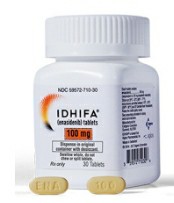
In clinical application, ensidipine can improve anemia, thrombocytopenia and neutropenia, reduce the need for blood transfusion, and improve the quality of life of patients. At the same time, its oral administration method also facilitates long-term management by patients. However, adverse drug reactions cannot be ignored. The most common side effects include mild to moderate symptoms such as nausea, vomiting, diarrhea, fatigue and fever. These side effects can usually be controlled through supportive treatment or dose adjustment. What needs more attention isIDH differentiation syndrome, which is a unique adverse reaction of ensidipine. It manifests as fever, dyspnea, weight gain and abnormal organ function, and may be life-threatening. Such events usually require early recognition and intervention with corticosteroids and supportive care.
In addition, hematological adverse reactions are also the focus of clinical monitoring. Some patients may experience thrombocytopenia or neutropenia and require regular blood routine follow-up. Although liver function abnormalities are relatively rare, it is still necessary to monitor liver enzyme indicators during combined use or long-term use. In general, the adverse reaction spectrum of ensidipine is controllable, but it requires close monitoring by physicians during the medication process, especially during the initial administration and dose adjustment stages.
Reference materials:https://www.idhifa.com/
[ 免责声明 ] 本页面内容来自公开渠道(如FDA官网、Drugs官网、原研药厂官网等),仅供持有医疗专业资质的人员用于医学药学研究参考,不构成任何治疗建议或药品推荐。所涉药品可能未在中国大陆获批上市,不适用于中国境内销售和使用。如需治疗,请咨询正规医疗机构。本站不提供药品销售或代购服务。


