
.jpeg)
Acalabrutinib: a safe treatment pathway for older, frail CLL patients
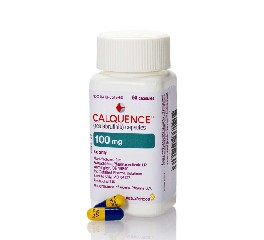
Acalabrutinib (Acalabrutinib) has high efficacy and a manageable safety profile in the treatment of chronic lymphocytic leukemia (CLL) in elderly and/or frail patients, according to results from the CLL-frail Phase 2 trial (NCT04883749). This underrepresented patient population has historically been excluded from large-scale clinical trials, leaving a significant gap in evidence-based treatment guidance. CLL-Frail marks the first prospective trial of acotinib monotherapy in this population. The study met its primary endpoint, with an overall response rate of 93.5% (95% CI, 82.1%-98.6%; P<0.001) in patients who completed at least three cycles of treatment, significantly exceeding the predefined efficacy threshold of 65%. The median follow-up time was 19 months, and the estimated 12-month progression-free survival and overall survival rates were 93.3% and 95.7%, respectively.
A key finding of the trial was the positive impact of the treatment on patients' frailty. More than half of the patients (53.5%) reported improvement in their frailty scores after 6 months, suggesting that effective treatment of the underlying malignancy can partially reverse the frailty syndrome. All 52 patients in the safety-evaluable population experienced adverse events (AEs), with 63% reporting grade ≥3 AEs. Forty-nine patients (94%) experienced adverse events requiring treatment or supportive care, and 46% of patients received hospitalization for adverse events for a median of 9 days (IQR, 5-15) until resolution of these events.
The most common adverse events were COVID-19 infection (n=21; 40%) and hematoma (n=19; 37%). The most common hematologic adverse events were anemia (n=9; 17%) and thrombocytopenia (n=6; 12%). A total of 40 serious adverse events were reported in 50% of patients (n=26); COVID-19 infection was the most common serious AE, occurring in 10% of patients (n=5).
Regarding cardiotoxicity,25% of patients experienced cardiac adverse events of any grade, and 10% of patients (n=5) experienced grade ≥3 cardiac adverse events. This included grade 2 and 3 atrial fibrillation in 2 patients (4%). The most common grade ≥3 cardiac adverse event was heart failure, occurring in 3 patients (6%).
Although Bruton's tyrosine kinase (Continuous treatment with BTK inhibitors is the mainstay of first-line and relapsed CLL treatment, but first-generation BTK inhibitors such as ibrutinib (Imbruvica) are associated with an increased risk of cardiac adverse events, which limits their use in patients with comorbidities. Acotinibwas approved in November 2019 for the treatment of CLL and small lymphocytic lymphoma.
Subsequently, second-generationBTKis, such as acotinib and zanubrutinib [Brukinsa], were shown to have excellent tolerability and at least sustained efficacy. Despite being influenced by a high degree of pre-existing cardiac disease and age-related adverse events such as valvular disease, cardiac [adverse] effects in elderly patients treated with BTK inhibitors remain a matter of concern. Of note, serious cardiac [adverse] reactions occurred in only 30 patients with pre-existing heart disease in this trial, underscoring the need for a thorough risk-benefit assessment before initiating treatment.
References:https://www.targetedonc.com/view/acalabrutinib-a-safe-treatment-avenue-for-older-frail-patients-with-cll
[ 免责声明 ] 本页面内容来自公开渠道(如FDA官网、Drugs官网、原研药厂官网等),仅供持有医疗专业资质的人员用于医学药学研究参考,不构成任何治疗建议或药品推荐。所涉药品可能未在中国大陆获批上市,不适用于中国境内销售和使用。如需治疗,请咨询正规医疗机构。本站不提供药品销售或代购服务。


