
.jpeg)
How patients should be treated and responded to after resistance to acotinib/cancostat
With the widespread application of Acalabrutinib in the treatment of chronic lymphocytic leukemia (CLL), "resistance" has gradually become one of the clinical challenges that cannot be ignored. As a BTK inhibitor, acotinib's effect depends on its effective binding to BTK protein. When leukemia cells produce BTK gene mutations or activate alternative signaling pathways, the inhibitory effect of acotinib will gradually weaken, and patients will experience disease progression or symptom rebound. For drug-resistant patients, the key is timely identification, accurate assessment, and development of subsequent treatment strategies.
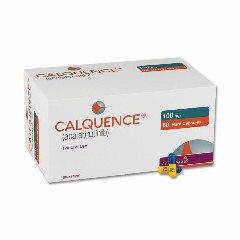
First, genetic testing is required to determine whether there are BTK mutations or PLCγ2 and other downstream signal abnormalities. After clarifying the resistance mechanism, doctors can choose more targeted drugs in subsequent programs. If a typical C481 mutation occurs, patients can usually consider switching to BTK inhibitors that do not rely on this binding site, such as a new generation of "irreversible + non-covalent" type drugs, which can bypass drug failure caused by mutations. At the same time, for those with accelerated disease progression or expanded involvement, it may be necessary to use BCL-2 inhibitors or other targeted drugs in combination to improve the multi-pathway ability to attack malignant B cells.
In the drug resistance stage, treatment strategies are no longer limited to single drugs, but turn to combination treatments with complementary mechanisms. For example,The combination of BTK inhibitors and anti-CD20 antibody-targeted drugs can enhance the destructive effect on leukemia cells. In addition, some patients may be suitable for switching treatment strategies to cell therapy or immunotherapy after drug resistance; if the disease is stable but continues to progress slowly, a more appropriate regimen needs to be selected based on the patient's age, physical status, and comorbidities.
Resistance does not mean the end of treatment, but a shift in treatment mode. When patients show signs of drug resistance (such as re-enlargement of lymph nodes, abnormal blood picture recovery, and significant aggravation of symptoms), they should be reviewed in a timely manner to avoid discontinuing the drug on their own or switching to inappropriate drugs. Maintaining liver and kidney function and maintaining good infection control and nutritional status can also improve the response to subsequent treatment.
Reference materials:https://www.calquence.com/
[ 免责声明 ] 本页面内容来自公开渠道(如FDA官网、Drugs官网、原研药厂官网等),仅供持有医疗专业资质的人员用于医学药学研究参考,不构成任何治疗建议或药品推荐。所涉药品可能未在中国大陆获批上市,不适用于中国境内销售和使用。如需治疗,请咨询正规医疗机构。本站不提供药品销售或代购服务。


