
.jpeg)
Precautions while using budesonide oral suspension (Eohilia)
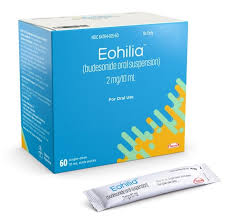
Budesonide oral suspension (Eohilia) is a glucocorticoid drug widely used to treat eosinophilic esophagitis. Although its local absorption characteristics are better and systemic exposure is lower, making it safer than traditional oral glucocorticoids, a series of potential risks still need to be paid attention to in clinical use. During its clinical studies, warnings and precautions emerged regarding systemic effects, risk of immunosuppression, gastrointestinal problems, effects on growth in children, and switching from other systemic corticosteroids.
1. Hypercortisolism and adrenal axis suppression
Systemic effects may occur with the use of budesonide oral suspension, the most common being hypercortisolism and adrenal axis suppression. These effects include increased blood pressure, weight gain, water and sodium retention, and eosinophilia. Clinically, patients should be regularly monitored for the occurrence of these signs or symptoms, and the dosage should be adjusted appropriately according to the situation.
Especially in patients with moderate to severe hepatic impairment (Child-Pugh classes B and C), the risk of hypercortisolism and adrenal axis suppression is significantly increased due to increased systemic exposure to budesonide. Eohilia is generally not recommended in patients with severe hepatic impairment (Child-Pugh class C), while patients with moderate hepatic impairment should be closely monitored for signs and symptoms. When experiencing trauma, surgery, infection, or other stressful conditions, patients may need to supplement systemic corticosteroids to cope with the stress response because the HPA axis may be suppressed.
2. Immunosuppression and risk of infection
The immunosuppressive effects of budesonide oral suspension may increase the risk of infections, including viral, bacterial, fungal, protozoal, or parasitic infections. Specific manifestations include: reducing resistance to new infections, aggravating existing infections, increasing the risk of infection transmission or reactivation, and possibly masking some symptoms of infection. The severity of infection is positively related to dose and duration of use, and some infections may be life-threatening.
Special clinical attention is required for special infection types. For patients with latent tuberculosis, corticosteroids may cause tuberculosis reactivation; for non-immune children and adults, varicella and measles virus infections may have a severe or even fatal course, and exposure should be avoided or immunoglobulin or antiviral treatment should be administered after exposure. Hepatitis B carriers may experience viral reactivation during use. It is recommended to consult a professional doctor and monitor viral indicators before taking the drug. Eohilia should be used with caution or avoided in patients with systemic fungal infections, amebiasis, Strongyloides infections, and cerebral malariaEohilia. Patients with active herpes simplex in the eyes also need to contraindicate this drug.
In clinical trials, it was found that some patients developed local Candida albicans infection in the mouth, throat or esophagus. After using Eohilia, you should avoid eating or drinking for 30 minutes, and rinse your mouth with water to reduce local irritation. If candida infection of the oropharynx or esophagus occurs, topical or systemic antifungal therapy should be administered, and drug suspension should be considered.
3. Digestive tract and esophageal problems
Budesonide oral suspension may cause corrosive esophagitis. Patients or caregivers should be concerned about any new or worsening esophageal symptoms, such as chest burning, dysphagia, or belching, and consider endoscopy if necessary. The correct way to take it is to shake the medicine well, take it according to the dose and rinse your mouth after taking the medicine, but there is no need to swallow the mouthwash to reduce local esophageal irritation.
4. Impact on children’s growth
Long-term or high-dose use of glucocorticoids may affect children's growth rate. For pediatric patients receiving Eohilia treatment, height and weight should be monitored regularly to ensure that growth and development are not significantly affected. Clinically, it is recommended that the maximum continuous medication time does not exceed 12 weeks, and potential effects can be controlled through intermittent treatment courses or dose reduction strategies when necessary.
5. Precautions when switching from other systemic corticosteroids
When patients are switched from systemic corticosteroidsEohilia, symptoms related to corticosteroid withdrawal may occur, including acute adrenal axis suppression or benign intracranial hypertension. Therefore, HPA axis function needs to be monitored and doses of drugs with high systemic effects need to be carefully reduced. In addition, allergic reactions previously controlled by systemic drugs, such as rhinitis or eczema, may be exposed after switching, and symptom management should be done.
6. Other corticosteroid effects of concern
Long-term use of glucocorticoids requires attention to the risk of hypertension, diabetes, osteoporosis, peptic ulcer, glaucoma or cataracts, especially in patients with related family histories or underlying diseases. Clinically, blood pressure, blood sugar, bone density and ophthalmological conditions should be monitored regularly to prevent potential complications.
7. Precautions for special diseases
In rare cases, Kaposi's sarcoma may develop in patients receiving corticosteroids, but symptoms usually improve when the medication is stopped. The recommended maximum continuous use time for Eohilia treatment is 12 weeks, and the treatment course should be reasonably arranged based on clinical needs and patient risk assessment.
Reference materials:https://www.eohilia.com/
[ 免责声明 ] 本页面内容来自公开渠道(如FDA官网、Drugs官网、原研药厂官网等),仅供持有医疗专业资质的人员用于医学药学研究参考,不构成任何治疗建议或药品推荐。所涉药品可能未在中国大陆获批上市,不适用于中国境内销售和使用。如需治疗,请咨询正规医疗机构。本站不提供药品销售或代购服务。


