
.jpeg)
Mirvetuximab resistance risk assessment
Mirvetuximab (Mirvetuximab) is an innovative antibody-drug conjugate (ADC) targeting ovarian cancer and other epithelial cancers. Its targeting molecule is α-FR (folate receptor α). It achieves selective tumor killing by combining cytotoxic drugs with monoclonal antibodies. This precise mechanism gives somituximab significant advantages in the field of targeted therapy. However, like all targeted drugs, it may face the risk of drug resistance during long-term use and requires professional evaluation and management.
The development of drug resistance often involves multiple mechanisms. First, decreased or missing target expression is one of the most common drug resistance pathways. Somituximabrelies on the high expression of α-FR on the surface of tumor cells to mediate drug endocytosis. If tumor cells reduce receptor expression or mutate during long-term treatment, it may lead to a decrease in drug binding efficiency, thereby reducing efficacy. Secondly, changes in drug processing pathways within tumor cells may also lead to drug resistance. For example, tumor cells may increase the activity of drug efflux pumps to rapidly expel cytotoxic carriers, thereby reducing the accumulation of drugs within the cells. In addition, changes in the cytotoxic target carried by ADC, such as mutations in tubulin or DNA repair-related pathways, may also weaken the drug's lethality.
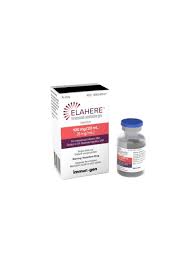
From a clinical perspective, the risk of resistance to somituximab is related to multiple factors, including the tumor's target expression level before treatment, previous chemotherapy or targeted therapy history, and the patient's genetic background. Patients with high expression of α-FR usually have better initial efficacy, but long-term exposure may still induce tumor adaptive changes, leading to drug resistance. Clinical studies suggest that some patients may experience a downward trend in biochemical markers and imaging responses after several treatment cycles, and early resistance signals need to be paid attention to.
Resistance management strategies require multi-level considerations. For patients with decreased target expression, repeated biopsies and molecular testing can be used to evaluate α-FR expression dynamics to guide subsequent medication adjustments. At the same time, combined therapy, such as with other chemotherapy drugs or immunotherapy, can delay the occurrence of drug resistance and improve the sustainability of the efficacy. For drug resistance caused by changes in drug excretion or intracellular processing, researchers are exploring improved ADC or novel carrier designs to overcome cellular resistance mechanisms. In addition, monitoring clinical indicators and imaging changes and timely evaluation of efficacy can help doctors take intervention measures in the early stages of drug resistance to avoid delays in ineffective treatment.
In summary, the risk of somituximab resistance is a complex multifactorial issue involving mechanisms such as target expression, tumor adaptability, and cytotoxic vector processing. Through individualized drug resistance assessment, molecular testing, combination therapy and efficacy monitoring, the occurrence of drug resistance can be delayed to the greatest extent and the long-term treatment effect of patients can be optimized. Clinically, doctors should scientifically plan the somituximab medication regimen based on the patient's specific condition, treatment history, and molecular characteristics to achieve precise and controllable tumor treatment.
Reference materials:https://www.elahere.com/
[ 免责声明 ] 本页面内容来自公开渠道(如FDA官网、Drugs官网、原研药厂官网等),仅供持有医疗专业资质的人员用于医学药学研究参考,不构成任何治疗建议或药品推荐。所涉药品可能未在中国大陆获批上市,不适用于中国境内销售和使用。如需治疗,请咨询正规医疗机构。本站不提供药品销售或代购服务。


