
.jpeg)
Comparative analysis of the differences, indications, efficacy and use of vorasidenib-VORANIGO and fluconazole
Vorasidenib (trade name VORANIGO) is a new oral small molecule targeted drug, mainly targeted at the treatment of IDH1/IDH2 mutant low-grade glioma (LGG) and recurrent glioma. Its mechanism of action is to selectively inhibit mutant isocitrate dehydrogenase (IDH1/2), thereby blocking the accumulation of 2-hydroxyglutarate (2-HG), reducing epigenetic abnormalities and metabolic abnormalities of tumor cells, and inhibiting tumor growth. Vorsidenib was developed to provide targeted treatment options for patients with brain tumors carrying IDH mutations, especially those with incomplete surgical resection or recurrence.
Fluconazole (Fluconazole) is a broad-spectrum antifungal drug used orally or intravenously. It belongs to the triazole class and is mainly used to treat Candida, Cryptococcus and other fungal infections. Its mechanism is to inhibit the production of ergosterol (ergosterol) in fungal cell membrane synthesis, destroy the cell membrane structure, and thereby kill the fungus. Fluconazole does not have anti-tumor activity and has completely different targets, indications and clinical uses from voxiranib. Vorsidenib targets tumor cell-specific mutations, while fluconazole acts on fungal membrane synthesis.
In terms of indications, vorsidenib is mainly used for Adult patients with low-grade or recurrent gliomas carrying IDH1 or IDH2 mutations, especially those cases that are difficult to completely clear with standard surgery or radiotherapy. Clinical studies have shown that vorsidenib can delay tumor progression and improve progression-free survival (PFS) and tumor control rate. According to the I Phase /II trial data, vorsidenib monotherapy can achieve tumor stabilization or partial remission in most patients and is well tolerated, providing a new way for long-term management of IDH mutant glioma patients. The indications of fluconazole are limited to fungal infections, and its clinical efficacy is mainly reflected in rapidly controlling fungal reproduction, reducing infection symptoms, and reducing the risk of infection recurrence.
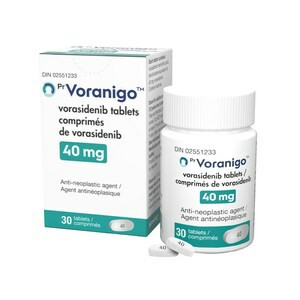
In terms of usage comparison, vorsidenib is an oral targeted therapy drug with a conventional dose of once a day. It can be taken for a long time and requires regular imaging to monitor changes in tumor volume and metabolic markers. The main adverse reactions include mild to moderate gastrointestinal reactions (nausea, diarrhea), fatigue, hematological abnormalities and liver function fluctuations, which require dose adjustment and follow-up under the guidance of a doctor. Fluconazole can be administered orally or intravenously. It is usually used for short- to medium-term antifungal treatment. Adverse reactions include liver function damage, gastrointestinal discomfort, rash and rare QT interval prolongation. Liver function and electrolytes need to be monitored during use. The two are completely different in terms of medication purpose, dose management and monitoring focus. Voxanib is a long-term management drug targeting tumors, while fluconazole is an anti-infective drug. There is no overlap in treatment goals, efficacy evaluation and safety monitoring.
In summary, there are fundamental differences between voxirinib and fluconazole in terms of pharmacological mechanisms, indications, clinical efficacy and usage management. Vorsidenib effectively inhibits the growth of glioma by targeting IDH1/2 mutations and is an important choice for targeted treatment of glioma; fluconazole controls infection by inhibiting fungal cell membrane synthesis and is a commonly used drug for antifungal treatment. In clinical use, appropriate drugs need to be selected based on the patient's specific condition, target status and treatment purpose, and combined with regular follow-up and laboratory monitoring to ensure safety and efficacy. The emergence of vosidenib provides a new idea for precise treatment of IDH mutant glioma patients, while fluconazole is still the drug of choice for controlling fungal infections, and the two are not interchangeable.
Reference materials:https://www.drugs.com/
[ 免责声明 ] 本页面内容来自公开渠道(如FDA官网、Drugs官网、原研药厂官网等),仅供持有医疗专业资质的人员用于医学药学研究参考,不构成任何治疗建议或药品推荐。所涉药品可能未在中国大陆获批上市,不适用于中国境内销售和使用。如需治疗,请咨询正规医疗机构。本站不提供药品销售或代购服务。


