
.jpeg)
What to do after drug resistance to Ruxolitinib Tablets/Jiekewei
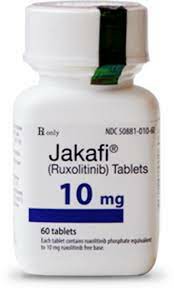
Ruxolitinib tablets/Ruxolitinib (Ruxolitinib) is a JAK inhibitor for the treatment of myelofibrosis (MF), polycythemia vera (PV) and other diseases. It can significantly improve the clinical symptoms of patients and delay the progression of the disease. However, in some patients, resistance to ruxolitinib may develop after long-term use. The manifestations of drug resistance are usually that the efficacy of treatment gradually weakens in the early stage of treatment, hematological indicators cannot be effectively controlled, or symptoms such as splenomegaly and anemia gradually relapse. Physicians facing drug-resistant patients need to evaluate and take appropriate management measures.
First of all, the occurrence of drug resistance may be related toJAK2 gene mutations or changes in the bone marrow microenvironment. The JAK2V617F mutation is a hallmark mutation in many myeloid diseases, especially polycythemia vera and myelofibrosis. When the JAK2 gene is mutated, the signaling of cytokine receptors continues to be abnormal, resulting in the inability to effectively control the disease. For drug-resistant patients, genetic testing is first needed to find out whether there are new mutations or changes. If new mutations are present, treatment options may need to be adjusted and switched to other types of targeted drugs or combination treatment strategies.
When faced with ruxolitinib resistance, one of the common treatment strategies is combination therapy. For example, some studies have found that combining ruxolitinib with other drugs such as azacitidine or other immunomodulators may improve the efficacy and delay the occurrence of drug resistance. In addition, some patients may be able to control their disease with the addition of chemotherapy drugs, interferons, or other targeted drugs.
For patients with drug-resistant thrombocythemia, in addition to continuing to evaluate the activity of the JAK-STAT pathway, doctors can also consider using other treatments, such as switching to other JAK inhibitors, or using emerging targeted therapies and immunotherapy. These treatment options are tailored to the patient's specific condition and type of resistance.
Reference materials:https://www.jakavi.com/
[ 免责声明 ] 本页面内容来自公开渠道(如FDA官网、Drugs官网、原研药厂官网等),仅供持有医疗专业资质的人员用于医学药学研究参考,不构成任何治疗建议或药品推荐。所涉药品可能未在中国大陆获批上市,不适用于中国境内销售和使用。如需治疗,请咨询正规医疗机构。本站不提供药品销售或代购服务。


