
.jpeg)
The combined therapeutic effect of clofazimine and bedaquiline
Clofazimine (Clofazimine) and bedaquiline (Bedaquiline) are two drugs commonly used to treat drug-resistant tuberculosis (MDR-TB and XDR-TB). Through different mechanisms of action, they show a synergistic effect in combined treatment, which can significantly improve the therapeutic effect, reduce the production of drug-resistant mycobacteria, and accelerate the recovery of patients. Clofazimine was originally used to treat leprosy and was later used to treat tuberculosis, while bedaquiline is a newer anti-tuberculosis drug that targets multidrug-resistant strains of tuberculosis.
1. The mechanism and application of clofazimine
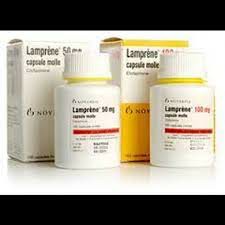
As an atypical antimycobacterial drug, clofazimine mainly inhibits the growth of Mycobacterium tuberculosis by inhibiting its protein synthesis and cell membrane function. It not only has a bactericidal effect on common Mycobacterium tuberculosis, but also has a strong inhibitory effect on some drug-resistant strains. Clofazimine is often used in combination with other anti-tuberculosis drugs to enhance efficacy and reduce the risk of drug resistance. In the treatment of drug-resistant tuberculosis, clofazimine is often used in patients with drug-resistant tuberculosis, especially when conventional treatments have failed.
While clofazimine is used to treat leprosy, it has also been found to have a strong inhibitory effect on Mycobacterium tuberculosis. Clofazimine provides an alternative for patients who are ineffective or intolerant to conventional anti-tuberculosis drugs. It has significant efficacy against multidrug-resistant tuberculosis (MDR-TB) and extensively drug-resistant tuberculosis (XDR-TB), especially in combination therapy.
2. Mechanism and application of bedaquiline
Bedaquiline is a new anti-tuberculosis drug that belongs to theATP synthase inhibitor category. It inhibits the energy metabolism of Mycobacterium tuberculosis, causing the bacteria to be unable to produce enough energy, thus inhibiting its growth and reproduction. Bedaquiline has excellent efficacy against drug-resistant tuberculosis, especially multidrug-resistant tuberculosis (MDR-TB) and extensively drug-resistant tuberculosis (XDR-TB). In multiple clinical studies, bedaquiline has been shown to significantly improve the cure rate and reduce the occurrence of drug-resistant bacteria when treating these drug-resistant tuberculosis.
Bedaquiline is unique in that its mechanism of action is different from traditional anti-tuberculosis drugs. Most anti-tuberculosis drugs work by inhibiting bacterial cell wall synthesis or protein synthesis, while bedaquiline directly interferes with the energy metabolism of Mycobacterium tuberculosis by inhibiting its ATP synthesis. This different mode of action gives bedaquiline a higher therapeutic potential in dealing with drug-resistant tuberculosis.
3. Advantages of combined use of clofazimine and bedaquiline
The therapeutic effect of clofazimine combined with bedaquiline has been verified by multiple clinical studies. These two drugs produce synergistic effects in the body through different mechanisms of action. Clofazimine inhibits the cell wall synthesis and protein synthesis of Mycobacterium tuberculosis, and bedaquiline inhibits energy metabolism. The combined use of the two can inhibit the growth and reproduction of Mycobacterium tuberculosis in many aspects.
In the treatment of drug-resistant tuberculosis, the combined use of clofazimine and bedaquiline can significantly improve the cure rate and shorten the treatment time. Because the two drugs have different mechanisms of action, they can effectively cover multiple biological processes of Mycobacterium tuberculosis and reduce the risk of drug resistance caused by single drug treatment.
Reference materials:https://www.novartis.com/our-products/pipeline/clofazimine
[ 免责声明 ] 本页面内容来自公开渠道(如FDA官网、Drugs官网、原研药厂官网等),仅供持有医疗专业资质的人员用于医学药学研究参考,不构成任何治疗建议或药品推荐。所涉药品可能未在中国大陆获批上市,不适用于中国境内销售和使用。如需治疗,请咨询正规医疗机构。本站不提供药品销售或代购服务。


