
.jpeg)
Common causes and relief measures for general discomfort after taking axitinib (Inlida)
Axitinib, as a highly selective VEGFR inhibitor, exerts anti-cancer effects by blocking tumor angiogenesis. However, this mechanism also affects the body's normal vascular regulation function. Therefore, patients often experience general discomfort such as fatigue, dizziness, and loss of appetite after starting the drug or increasing the dose. This type of reaction is mostly related to the effect of the drug on vascular tone, metabolic rate and endocrine pathways, and is usually more obvious in the early stages of taking the drug. If symptoms do not resolve after a few weeks, feedback should be given to your doctor to evaluate dosage or medication strategies.
Axitinib can easily cause blood pressure to rise, and high blood pressure itself can cause systemic symptoms such as headache, palpitations, chest tightness, and fatigue. If the patient has hypertension or cardiovascular disease, the response may be more pronounced. During use, it is recommended to monitor blood pressure every day, and if necessary, add antihypertensive drugs, such as amlodipine, as directed by your doctor. If you experience persistent chest pain, significant heart palpitations, or difficulty breathing, seek medical attention immediately to prevent serious cardiovascular events.
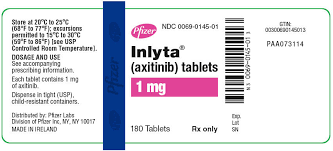
Some patients experience nausea, diarrhea, abdominal pain or weight loss. These gastrointestinal reactions may cause dehydration and electrolyte imbalance, thereby aggravating general fatigue and discomfort. It is recommended to eat small meals frequently, avoid greasy and irritating foods, and maintain adequate fluid intake. When diarrhea is severe, antidiarrheal drugs can be used under the guidance of a doctor. If it affects eating for many days or shows signs of dehydration, such as dizziness or decreased urine output, timely medical intervention is required.
Axitinib is metabolized by the liver, and a small number of patients may experience elevated liver enzymes, causing fatigue and general lethargy. People with renal insufficiency may also have an increased incidence of discomfort due to slowed clearance of the drug. During treatment, blood should be drawn regularly to check liver and kidney function. Once obvious abnormalities are found, the dose must be adjusted or the drug discontinued in a timely manner. In addition, maintaining a regular schedule, exercising moderately, and avoiding alcohol can reduce the pressure of drugs on overall metabolism, thereby alleviating systemic discomfort.
Reference materials:https://www.drugs.com/
[ 免责声明 ] 本页面内容来自公开渠道(如FDA官网、Drugs官网、原研药厂官网等),仅供持有医疗专业资质的人员用于医学药学研究参考,不构成任何治疗建议或药品推荐。所涉药品可能未在中国大陆获批上市,不适用于中国境内销售和使用。如需治疗,请咨询正规医疗机构。本站不提供药品销售或代购服务。


